
- UPSC Exam
- State PCS
- One Day Exam
- Current Affairs
- PT Quiz
- Downlaods
- About Coaching
- Blog
- Videos

|
Year |
Girls per 1000 Boys |
|
1991 |
945 |
|
2001 |
927 |
|
2011 |
919 |
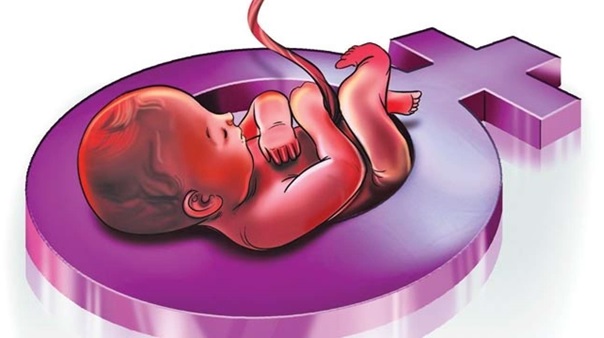
These figures indicate that female foeticide and sex-selective practices have created a serious demographic imbalance in society. Therefore, strict enforcement of the PCPNDT Act is essential.
The Pre-Conception and Pre-Natal Diagnostic Techniques (Prohibition of Sex Selection) Act, 1994 was enacted to prevent the misuse of diagnostic techniques for sex determination and to address the declining sex ratio in India.
In many parts of India, sons are considered heirs, economic support providers, and carriers of the family lineage. Daughters are often perceived as an economic burden.
Social evils such as dowry promote negative attitudes towards girls. Patrilocal traditions, where daughters move to their husband’s household after marriage, further reinforce son preference.
Limited participation of women in education, employment, property ownership, and decision-making processes perpetuates gender discrimination.
Ultrasound and other prenatal diagnostic technologies have often been misused for determining the sex of the foetus, leading to sex-selective abortions.
Although the PCPNDT Act and relevant provisions under the Bharatiya Nyaya Sanhita (BNS) contain stringent penalties, inadequate monitoring and enforcement in some regions have reduced their effectiveness.
India’s ranking in the Global Gender Gap Report 2025 fell to 131st out of 148 countries, highlighting persistent challenges in achieving gender equality.
Launched to prevent female foeticide, promote girls’ education, and create a positive social attitude towards daughters. The scheme is now integrated under Mission Shakti.
A small savings scheme designed to secure the financial future of girl children by supporting their education and marriage-related expenses.
Provides financial assistance to pregnant and lactating women. Benefits have also been extended in cases where the second child is a girl.
A significant state-level initiative aimed at encouraging the birth, education, and empowerment of girl children.
Promotes institutional deliveries and improves maternal and child health outcomes.
The issue of declining sex ratio is not merely a legal challenge but also a social and psychological one. While strict implementation of the PCPNDT Act is crucial, it is equally important to foster a positive attitude towards daughters in society. Achieving gender equality requires sustained efforts in education, women’s economic empowerment, safety, equal opportunities, and social awareness. Only through a combination of legal enforcement and societal transformation can India address the challenge of gender imbalance effectively.



Our support team will be happy to assist you!

 Contact Us
  New Batch : 9555124124/ 7428085757
  Tech Support : 9555124124/ 7428085757