Public Health Emergency of International Concern (PHEIC): Meaning, Framework, Declaration Process and Global Significance
Why in News
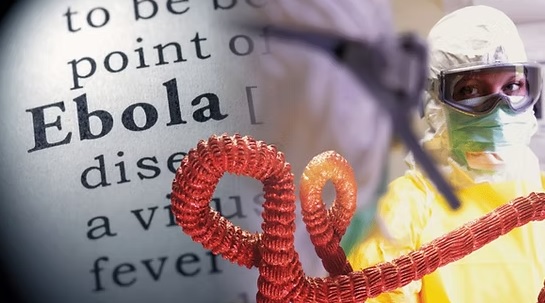
The World Health Organization (WHO) recently declared the Ebola outbreak in Democratic Republic of Congo (DRC) and Uganda a Public Health Emergency of International Concern (PHEIC). Global Health Governance.
A PHEIC is the highest level of global health alert issued by the WHO.
It is declared during extraordinary events posing risks through international disease spread.
The declaration is governed under the International Health Regulations (IHR), 2005.
The decision is taken by the IHR Emergency Committee, constituted after the 2002–04 SARS outbreak.
The declaration is reviewed every three months and renewed if necessary.
Institutional and Legal Framework
The IHR was first adopted by the World Health Assembly in 1969.
The regulations were comprehensively revised after the global SARS crisis.
The updated IHR 2005became a legally binding agreement among 196 countries.
WHO acts as the coordinating authority for implementation of global health security measures.
Scope and Strategic Relevance
PHEIC declarations may involve infectious diseases, chemical hazards, or radioactive emergencies.
Such declarations enable coordinated global surveillance, travel advisories, and emergency responses.
They strengthen international cooperation for pandemic preparednessand disease containment.





 Contact Us
  New Batch : 9555124124/ 7428085757
  Tech Support : 9555124124/ 7428085757