
- UPSC Exam
- State PCS
- One Day Exam
- Current Affairs
- PT Quiz
- Downlaods
- About Coaching
- Blog
- Videos

| Prelims: (Social Issues + CA) Mains: (GS 2 - Government Policies & Interventions, Women Empowerment; GS 3 - Consumer Protection, Standardisation, Inclusive Growth) |
At the 79th Foundation Day of the Bureau of Indian Standards (BIS), the Union Minister for Consumer Affairs launched the SHINE Scheme (Standards Help Inform & Nurture Empowered Women) in New Delhi. The initiative marks a strategic shift towards placing women at the centre of India’s quality and standardisation ecosystem.
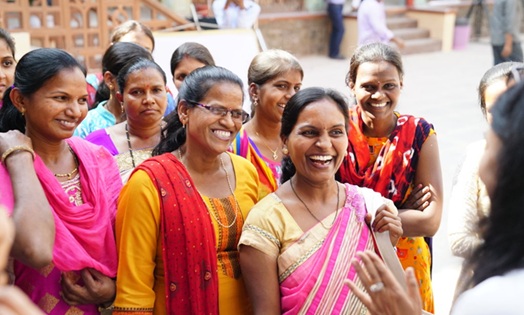
Quality standards in India have traditionally been associated with industry, manufacturing, and exports. However, a large proportion of unsafe products, substandard practices, and consumer harm originate at the household and community level, particularly in food safety, electrical goods, construction materials, and everyday consumer products.
Women, especially in rural and semi-urban India, play a central role as consumers, caregivers, micro-entrepreneurs, and SHG members, yet often lack awareness of safety standards and quality benchmarks. Recognising this gap, BIS has begun repositioning itself from a regulatory authority to a facilitative institution, with SHINE emerging as a flagship women-centric intervention.
SHINE (Standards Help Inform & Nurture Empowered Women) is a newly launched initiative of the Bureau of Indian Standards aimed at empowering women through standards literacy, safety awareness, and quality consciousness.
The scheme places women at the grassroots level of India’s quality journey, recognising their role in safeguarding families, communities, and livelihoods.
FAQs1. What does SHINE stand for ? SHINE stands for Standards Help Inform & Nurture Empowered Women. 2. Which organisation launched the SHINE Scheme ? The scheme was launched by the Bureau of Indian Standards (BIS). 3. Why is the SHINE Scheme significant for women ? It empowers women with knowledge of safety, quality standards, and consumer protection, enhancing both household safety and livelihoods. 4. How does SHINE differ from traditional BIS activities ? Unlike industry-focused regulation, SHINE adopts grassroots, community-based, and facilitative approach. 5. Which ministry oversees BIS ? BIS functions under the Ministry of Consumer Affairs, Food and Public Distribution. |


Our support team will be happy to assist you!

 Contact Us
  New Batch : 9555124124/ 7428085757
  Tech Support : 9555124124/ 7428085757