
- UPSC Exam
- State PCS
- One Day Exam
- Current Affairs
- PT Quiz
- Downlaods
- About Coaching
- Blog
- Videos

| Prelims: (History & Culture + CA) Mains: (GS 1 – History, Indian Culture, Society; GS 2 – Social Justice, Cultural Preservation) |
The President of India recently attended the Centenary celebrations of the Ol Chiki script of the Santhali language in Jamshedpur, Jharkhand, marking 100 years since the invention of the script.
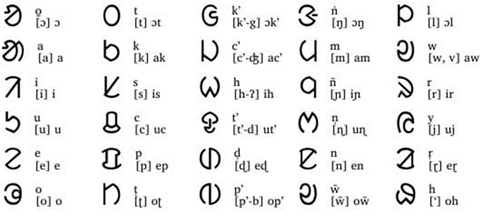
India’s linguistic diversity includes several indigenous and tribal languages that historically relied on oral traditions. The absence of a dedicated script often limited their literary development and official recognition.
The creation of Ol Chiki in the early 20th century was a landmark moment in India’s cultural history, as it:
The centenary celebrations underscore India’s growing emphasis on preserving indigenous languages and scripts as part of its intangible cultural heritage.
Ol Chiki is the indigenous script of the Santhali language, designed specifically to reflect its phonetic and grammatical structure.
The script is uniquely tailored to Santhali, unlike earlier attempts to write the language using Bengali, Devanagari, or Roman scripts.
This linguistic precision made Ol Chiki an effective tool for education, literature, and cultural transmission.
Pandit Raghunath Murmu was a:
He authored and published numerous works in Ol Chiki, including:
His efforts transformed Santhali from a largely oral language into a written literary tradition, strengthening cultural pride among Santhal communities.
FAQs1. Who invented the Ol Chiki script ? Pandit Raghunath Murmu invented Ol Chiki in 1925. 2. Which language uses the Ol Chiki script ? The Santhali language uses the Ol Chiki script. 3. Why is Ol Chiki significant ? It gave Santhali a dedicated written script, enabling literary growth and cultural preservation. 4. When was Santali included in the Eighth Schedule ? In 2003, with Ol Chiki recognised as its official script. 5. Which language family does Santali belong to ? The Austroasiatic language family, Munda branch. |



Our support team will be happy to assist you!

 Contact Us
  New Batch : 9555124124/ 7428085757
  Tech Support : 9555124124/ 7428085757