Why in News ?
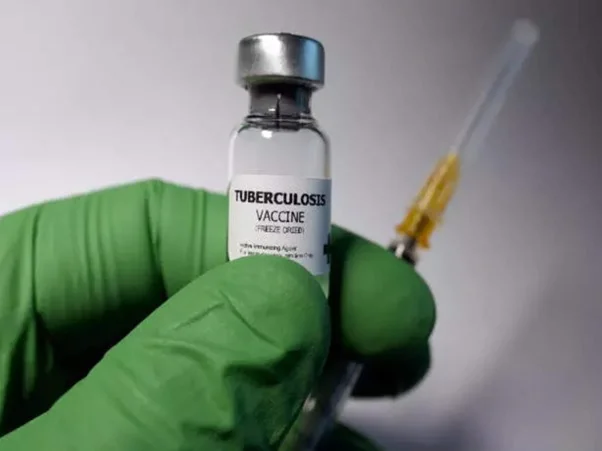
The Serum Institute of India (SII) has entered into a strategic partnership with the Gates Medical Research Institute (Gates MRI) to manufacture M72/AS01E, a promising tuberculosis (TB) vaccine candidate currently undergoing Phase III clinical trials. If approved, it could become the first new TB vaccine in more than 100 years, after the Bacille Calmette-Guérin (BCG) vaccine.
Key Highlights
Partnership Between Serum Institute and Gates MRI
- Serum Institute of India has signed an agreement with Gates Medical Research Institute to manufacture the M72/AS01E TB vaccine candidate.
- SII will invest over US$100 million to expand manufacturing infrastructure and prepare for large-scale production.
- Gates MRI will transfer the vaccine antigen manufacturing technology to SII.
- British pharmaceutical company GSK will continue supplying the AS01E adjuvant, which enhances the body's immune response.
- Manufacturing preparations are being undertaken before regulatory approval to enable rapid global distribution if the vaccine is approved.
About M72/AS01E Vaccine
- M72/AS01E is a protein subunit vaccine candidate designed to prevent progression from latent TB infection to active pulmonary tuberculosis.
- It is intended primarily for TB-infected, HIV-negative adults.
- Originally developed by GlaxoSmithKline (GSK).
- Development rights were later transferred to the Gates Medical Research Institute.
- Supported by the Bill & Melinda Gates Foundation and Wellcome Trust.
Clinical Trial Status
Phase IIb Trial
- Conducted on 3,575 participants.
- Demonstrated approximately 50% efficacy in preventing progression to active pulmonary TB.
- Protection observed over a three-year follow-up period.
- Participants were HIV-negative adults aged 18–50 years.
Phase III Trial
- Began in March 2024.
- Around 20,000 participants enrolled.
- Conducted across 54 trial sites.
- Countries involved :
- South Africa
- Kenya
- Malawi
- Zambia
- Indonesia
- Participant enrolment was completed in April 2025.
- The trial aims to establish the vaccine's safety, efficacy, and effectiveness.
Projected Global Impact
According to estimates by Serum Institute and Gates MRI, a vaccine with similar efficacy could :
- Prevent approximately 76 million new TB cases over 25 years.
- Save nearly 8.5 million lives.
- Generate around US$41.5 billion in economic savings for TB-affected households.
- Significantly reduce healthcare costs in low- and middle-income countries.
Why is a New TB Vaccine Important ?
Tuberculosis remains one of the world's deadliest infectious diseases.
Global Burden (WHO, 2024)
- Nearly 11 million people developed TB.
- Approximately 1.23 million deaths occurred due to TB.
- TB remains the leading cause of death from a single infectious disease worldwide.
- It continues to be among the Top 10 causes of death globally.
High-Burden Countries
Major countries with the highest TB burden include :
- India
- Indonesia
- Philippines
- China
- Pakistan
- Nigeria
Why Has TB Vaccine Development Been Difficult ?
Unlike COVID-19 vaccines, TB vaccine development has taken decades because :
- Mycobacterium tuberculosis has a highly complex biology.
- TB bacteria can remain dormant for years as latent infection.
- The immune response required for long-lasting protection is not fully understood.
- Lack of reliable immune correlates of protection.
- Conducting long-duration efficacy trials is expensive and time-consuming.
India's Role in Global Vaccine Manufacturing
- Serum Institute of India is among the world's largest vaccine manufacturers.
- It has supplied affordable vaccines to more than 170 countries.
- Played a major role during the COVID-19 pandemic by producing large quantities of vaccines.
- Plans to collaborate with manufacturers in Indonesia and South Africa to strengthen long-term global vaccine supply chains.
Other TB Vaccine Candidates Under Development
Immuvac (MIP)
MTBVAC
- Developed by : University of Zaragoza (Spain) ,Biofabri
- In partnership with Bharat Biotech (India).
WHO's TB Vaccine Accelerator Council
- Established in 2023 by WHO Director-General Dr. Tedros Adhanom Ghebreyesus.
- Objective :
- Accelerate TB vaccine research.
- Facilitate regulatory approvals.
- Improve manufacturing capacity.
- Ensure equitable global access to future TB vaccines.
About Bacille Calmette-Guérin (BCG) Vaccine
- Introduced in 1921.
- Currently the only licensed TB vaccine.
- Developed by French scientists Albert Calmette and Camille Guérin.
- It is a live attenuated vaccine derived from Mycobacterium bovis.
- Provides strong protection against severe childhood TB, including :
- TB meningitis
- Miliary tuberculosis
- Offers limited and variable protection against pulmonary TB in adults.
- Included under India's Universal Immunisation Programme (UIP).
Tuberculosis (TB): Overview
Causative Organism :- Mycobacterium tuberculosis
Mode of Transmission :- Airborne infection through droplets released when an infected person coughs, sneezes, speaks, or sings.
Commonly Affected Organ :- Lungs (Pulmonary TB)
Other Forms
- Extrapulmonary TB affecting :
- Brain
- Bones
- Kidneys
- Lymph nodes
- Spine
Symptoms
- Persistent cough (more than two weeks)
- Fever
- Night sweats
- Weight loss
- Fatigue
- Coughing blood
Diagnosis
- Sputum microscopy
- CBNAAT/GeneXpert
- Truenat
- Chest X-ray
- Culture tests
Treatment
- Multi-drug antibiotic regimen under National TB Elimination Programme (NTEP).
- Drug-resistant TB requires longer and more complex treatment.
India's TB Elimination Initiatives
- National TB Elimination Programme (NTEP) (formerly RNTCP)
- Nikshay Portal
- Nikshay Poshan Yojana
- TB Mukt Bharat Abhiyan
- Universal Drug Susceptibility Testing (UDST)
- Active Case Finding (ACF)
- Free diagnosis and treatment through public health facilities.
- Target to eliminate TB by 2025, five years ahead of the WHO End TB Strategy target of 2030.
Significance
- Could become the first major breakthrough in TB vaccination in over a century.
- Strengthens India's position as the global vaccine manufacturing hub.
- Supports SDG 3 (Good Health and Well-being).
- Promotes equitable access to affordable vaccines in developing countries.
- May significantly reduce TB-related mortality, poverty, and healthcare expenditure.
Challenges
- Successful completion of Phase III clinical trials.
- Regulatory approvals across countries.
- Large-scale manufacturing and financing.
- Cold-chain logistics and equitable distribution.
- Monitoring long-term effectiveness and safety.
- Addressing drug-resistant TB alongside vaccination.
Conclusion
The collaboration between the Serum Institute of India and the Gates Medical Research Institute marks a significant milestone in the global fight against tuberculosis. If the M72/AS01E vaccine successfully completes Phase III trials and secures regulatory approval, it could become the first new TB vaccine in over a century, substantially reducing the global TB burden while reinforcing India's leadership in vaccine innovation, manufacturing, and global public health.
Frequently Asked Questions (FAQs): Serum Institute's M72/AS01E TB Vaccine
Q1. Why is the M72/AS01E vaccine in the news ?
Answer : The Serum Institute of India (SII) has partnered with the Gates Medical Research Institute (Gates MRI) to manufacture M72/AS01E, a promising tuberculosis (TB) vaccine candidate currently in Phase III clinical trials. If approved, it could become the first new TB vaccine in over 100 years.
Q2. What is M72/AS01E ?
Answer : M72/AS01E is an experimental protein subunit vaccine designed to prevent the progression of latent TB infection into active pulmonary tuberculosis, especially in adults.
Q3. Who developed the M72/AS01E vaccine?
Answer : The vaccine was originally developed by GlaxoSmithKline (GSK). Later, its development was transferred to the Gates Medical Research Institute (Gates MRI), which is currently conducting Phase III clinical trials.
Q :-Tuberculosis is caused by :
A. Plasmodium falciparum
B. Mycobacterium tuberculosis
C. Mycobacterium leprae
D. Salmonella typhi
|






 Contact Us
  New Batch : 9555124124/ 7428085757
  Tech Support : 9555124124/ 7428085757