The human gut microbiome is shaped by diverse selective forces arising from host and environmental factors and significantly influences health and disease.
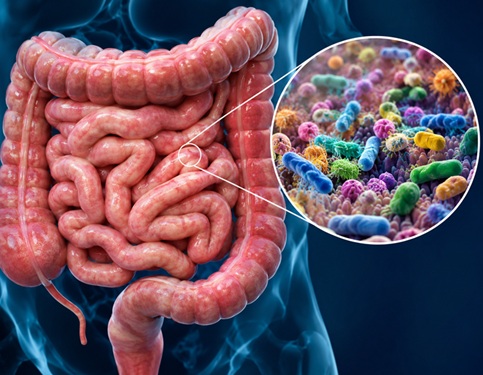
What is the gut microbiome ?
- The gut microbiome is a group of trillions of microorganisms living in the human gut.
- It primarily includes bacteria, viruses, fungi, and parasites.
- These microorganisms help improve digestion.
- They also play a vital role in regulating many vital biological processes in the body.
Main Functions of the Gut Microbiota
- Obtaining Energy from Food
- Gut microbiota assists in the digestive process.
- It helps extract nutrients and energy from food.
- Protection against Pathogens
- Beneficial bacteria in the gut protect the body from harmful bacteria and pathogens.
- It helps reduce the risk of infection.
- Regulation of the immune system
- Gut microbiota maintains the body's immune system.
- It plays an important role in strengthening the immune system.
- Intestinal protection
- Gut microbiota strengthens the biochemical barriers of the intestines and digestive tract.
- This improves the functioning of the digestive system and provides protection against diseases.
Why is changing the gut microbiome important ?
- If the gut microbiota becomes out of balance, many bodily processes can be affected.
- This is called “Gut Dysbiosis.”
- Poor diet, stress, infections, excessive use of antibiotics, and an unhealthy lifestyle can affect the gut microbiome.
Gut Microbiome and Diseases
- Beneficial bacteria in the gut are beneficial to the body.
- However, sometimes harmful bacteria can also enter the digestive tract and cause infections.
- An imbalance in the gut microbiome can cause many health problems.
Major Problems
- Food Poisoning
- Diarrhea
- Vomiting
- Digestive Infections
Inflammatory Bowel Disease (IBD)
- Research suggests that imbalances in the gut microbiota are linked to several serious diseases, such as :
- Crohn's Disease
- Ulcerative Colitis
- These are collectively called Inflammatory Bowel Disease (IBD).
Obesity and Diabetes Link
- Scientific studies have shown :
- Low microbial diversity in the gut is linked to obesity.
- It may also increase the risk of type 2 diabetes.
- Gut microbiota has also been linked to metabolic syndrome.
Effects of Antibiotics
- Excessive or incorrect use of antibiotics can affect the balance of the gut microbiota.
- This can destroy beneficial bacteria in the gut.
- Disruption of the gut microbiome can increase the risk of infection.
- This also increases the likelihood of developing antibiotic-resistant infections.
Conclusion
The gut microbiome is a vital component of human health. It plays a key role in digestion, the immune system, and disease protection. A balanced diet, regular exercise, adequate sleep, and limited use of antibiotics can help maintain good gut health. According to experts, therapies and treatments based on the gut microbiome could play a major role in the health sector in the future.






 Contact Us
  New Batch : 9555124124/ 7428085757
  Tech Support : 9555124124/ 7428085757