Why in the News?
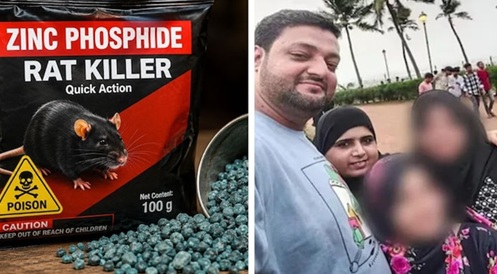
The mysterious deaths of four members of a family in Mumbai's Pydhonie area on the morning of April 26 shocked the entire nation. Initially, it was believed that eating watermelon might have caused food poisoning, but as the investigation progressed, the case turned out to be much more serious.
Key Points
- The family had eaten biryani with relatives on the night of April 25, but no one else felt unwell. Later, around 1 a.m., only four family members ate watermelon and died within a few hours.
- On May 7, a forensic report revealed that traces of a highly toxic chemical called zinc phosphide were found in the bodies of the deceased. This is the same chemical commonly used in rat poison.
- The deceased have been identified as Abdullah Dokadia, his wife Nasreen, and their two daughters, Ayesha and Zainab. Police are now investigating whether the poison was accidentally mixed into the food, deliberately added, or caused contamination through the supply chain.
What is Zinc Phosphide?
- Zinc phosphide (Zn₃P₂) is a chemical compound used in rat poisons in many countries, including India.
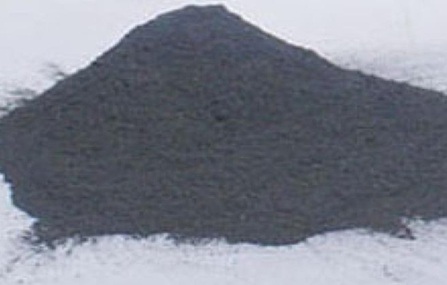
- It is a dark brown or black powder. Under normal conditions, it remains relatively stable, but once it reaches the human stomach, it becomes extremely dangerous.
- When zinc phosphide comes into contact with hydrochloric acid in the stomach, it undergoes a chemical reaction, producing phosphine gas.
- This gas is colorless, invisible, and extremely toxic.
How does it affect the body once it enters the body ?
- Phosphine gas directly attacks the body's cells.
- Mitochondria within our cells produce energy.
- Phosphine gas blocks cytochrome c oxidase, an important enzyme in mitochondria.
- After this, the body's cells are unable to use oxygen, even if the person is breathing or receiving oxygen in the hospital.
- This condition is called cellular anoxia, in which the body begins to suffocate from within. This is why the mortality rate for zinc phosphide poisoning is considered very high.
Why does the risk increase after eating ?
- According to doctors, acid production increases when there is food in the stomach.
- Foods like watermelon can further intensify the acidic reaction in the stomach, leading to the production of more phosphine gas.
- Symptoms of poisoning can take several hours to appear on an empty stomach, but after eating, the effects can begin within minutes.
Key symptoms of zinc phosphide poisoning
- Vomiting and nausea
- Severe abdominal pain
- Difficulty breathing
- Dizziness and fainting
- Drop in blood pressure
- Heart failure
- Garlic or rotten fish odor in the breath
- According to experts, this odor is considered a key indicator of phosphine gas detection.
Is there an antidote ?
- There is no definitive antidote for zinc phosphide poisoning in the world.
- Doctors only try to save the patient's organs and slow the gas formation process.
What is the treatment ?
- Cleansing the stomach with coconut oil
- Reducing stomach acidity by giving sodium bicarbonate
- Heart protection with magnesium sulphate
- ICU and ventilator support
- Experts warn that washing the stomach with water in such cases can be dangerous, as it can further accelerate the production of phosphine gas.
How different is it from other rat poisons ?
- Most rat poisons sold in India are anticoagulants, which are slow-acting and can be treated with vitamin K1.
- But zinc phosphide is different and far more lethal. It can cause vital organ failure within hours, leaving doctors with little time for treatment.
How do doctors identify it ?
- Forensic experts identify it using several methods:
- A characteristic odor in the breath
- Bright spots on abdominal X-rays
- Chemical examination of internal organs
- Blood and tissue tests
- In the Mumbai case, the true cause of death became clear after traces of zinc phosphide were found in the internal organs of the deceased.
A Serious Warning
- This incident in Pydhoni is not just a criminal investigation, but also a major question about domestic safety.
- Dangerous chemicals like zinc phosphide are often readily available at general stores and stored in homes without adequate precautions.
- Experts believe that strict monitoring of the use, storage, and sale of such chemicals is essential, as even minor negligence can prove fatal.
Conclusion
This incident in Mumbai demonstrates that dangerous chemicals like zinc phosphide can be fatal even with minor negligence. Strict monitoring and raising public awareness regarding the safe use, storage, and sale of rat poisons is crucial, as there is no definitive antidote for this poison.






 Contact Us
  New Batch : 9555124124/ 7428085757
  Tech Support : 9555124124/ 7428085757