Prelims : Art & Culture + CA
Mains : GS Paper 1 – Indian Society; Tribal Issues; Diversity |
Why in News ?
The Chenchu tribe has been in the news due to :
- Government initiatives focused on housing, livelihood, and welfare of Particularly Vulnerable Tribal Groups (PVTGs)
- Increasing attention to tribal rights, forest-based livelihoods, and inclusive development
- Recognition of members of the community in local governance and social empowerment efforts
These developments highlight the need to balance development with preservation of tribal identity and culture.
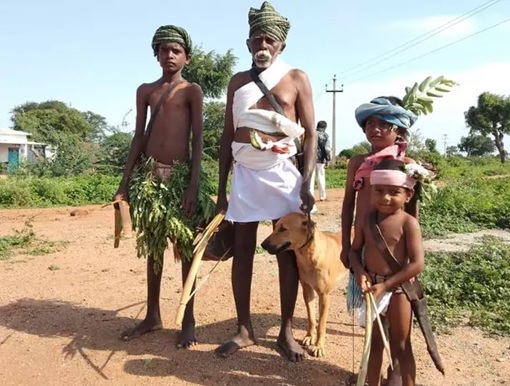
Who are the Chenchu Tribe?
The Chenchu tribe is an indigenous tribal community of southern India, classified as a Scheduled Tribe and identified as a Particularly Vulnerable Tribal Group (PVTG).
- They are considered one of the oldest forest-dwelling communities in India
- Traditionally followed a hunter-gatherer lifestyle, relying on forest resources
- Many have gradually shifted towards agriculture and wage labour due to socio-economic changes
State / Distribution
The Chenchu tribe is primarily found in :
- Andhra Pradesh (major concentration)
- Telangana, particularly in the Nallamala forest region
- Smaller populations in Karnataka and Odisha
Their concentration in forested and hilly regions has helped preserve their traditional lifestyle but has also limited access to modern infrastructure and services.
Language
- The Chenchu people speak the Chenchu language, which belongs to the Dravidian language family
- It is closely related to Telugu, and many Chenchus are bilingual
- The language is considered vulnerable due to increasing interaction with mainstream society
Religion and Belief System
The religious practices of the Chenchu tribe reflect a blend of traditional and mainstream influences:
1. Indigenous Beliefs
- Worship of nature, forests, and local deities
- Belief in spirits associated with natural elements
2. Influence of Hinduism
- Adoption of Hindu customs and practices over time
- Participation in festivals such as Ugadi, Sankranti, and Shivaratri
- Cultural association with deities like Lord Narasimha
Their belief system represents a syncretic blend of tribal traditions and Hindu practices.
Socio-Cultural Features
1. Traditional Livelihood
- Historically dependent on hunting and gathering
- Collection of forest produce such as honey, fruits, and tubers
- Increasing shift towards agricultural labour and wage employment
2. Settlement Pattern
- Settlements are known as “Penta,” consisting of small clusters of huts
- Houses are simple, made from locally available materials like wood and thatch
3. Social Structure
- Society is relatively egalitarian with flexible social norms
- Women generally enjoy a better status compared to many other traditional communities
- Marriage practices are often based on mutual consent
4. Cultural Simplicity
- Rituals and customs are simple and closely linked to nature
- Minimal material possessions and strong community bonds
Latest Developments
1. Welfare Measures
- Government programmes aim to improve housing, healthcare, and education
- Focus on livelihood generation and poverty reduction
2. Social and Political Inclusion
- Increasing participation in local governance institutions
- Greater awareness of rights and entitlements
3. Cultural Preservation Efforts
- Initiatives to document language and traditions
- Efforts to protect their unique cultural identity
Significance of the Chenchu Tribe
1. Insight into Primitive Lifestyles
- One of the few communities retaining elements of a hunter-gatherer way of life
2. Ecological Knowledge
- Deep understanding of forest ecosystems and biodiversity
- Practice sustainable use of natural resources
3. Policy Importance
- As a PVTG, they are a focus of targeted welfare and development programmes
Challenges
1. Loss of Traditional Livelihood
- Restrictions on forest access and environmental changes impact their way of life
2. Cultural Erosion
- Increasing assimilation leads to decline in language and traditional practices
3. Socio-Economic Marginalisation
- Limited access to education, healthcare, and employment opportunities
4. Development vs Conservation Conflict
- Balancing forest conservation with tribal rights remains a major challenge
Way Forward
1. Targeted Welfare Implementation
- Strengthen delivery of schemes for PVTGs
2. Sustainable Livelihood Promotion
- Encourage forest-based and eco-friendly economic activities
3. Cultural Preservation
- Protect language, traditions, and indigenous knowledge
4. Inclusive Development
- Improve access to basic services without disrupting cultural identity
Practice Questions
Prelims
Q. The Chenchu tribe is primarily found in which region of India ?
(a) Western Himalayas
(b) Nallamala forests
(c) Thar Desert
(d) North-East hills
Mains
“Particularly Vulnerable Tribal Groups require a balanced approach between development and cultural preservation.” Discuss with reference to the Chenchu tribe.
FAQs
Q1. Where is the Chenchu tribe mainly found ?
In Andhra Pradesh and Telangana, especially in forest regions.
Q2. What language do they speak ?
Chenchu language and Telugu.
Q3. What is their religion ?
A mix of indigenous tribal beliefs and Hindu practices.
Q4. What is their traditional occupation ?
Hunting and gathering forest produce.
Q5. Why are they important for UPSC ?
They are a Particularly Vulnerable Tribal Group with distinct socio-cultural characteristics.
|






 Contact Us
  New Batch : 9555124124/ 7428085757
  Tech Support : 9555124124/ 7428085757