Environment & Ecology 29-Jul-2026
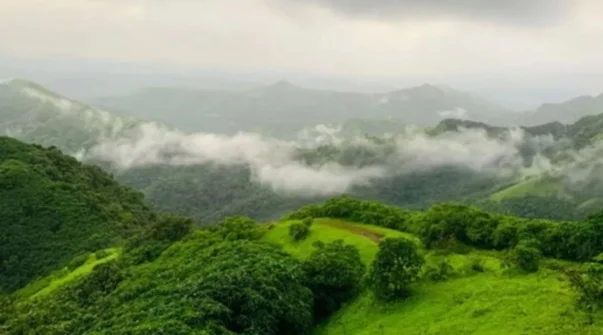
The Union Government has re-issued the seventh draft notification proposing 56,825.7 sq km of the Western Ghats as an Eco-Sensitive Area (ESA).

Environment & Ecology 27-Jul-2026
Typhoon Noul became the strongest typhoon to make landfall in China in 2026, hitting Guangdong Province on 27 July 2026.

Environment & Ecology 22-Jul-2026
Maharashtra has announced India's first proposed AI-enabled bird conservation project at Thane Creek Flamingo Sanctuary (a Ramsar site).
Environment & Ecology 15-Jul-2026
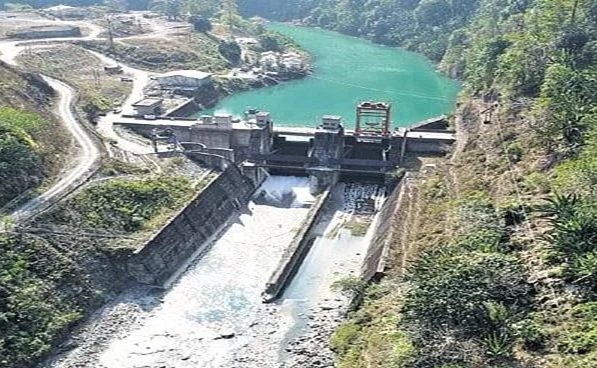
Environmental clearance has been granted to the 1,000 MW Naying Hydroelectric Project (NHEP) on the Siyom (Yomgo) River in Shi-Yomi district, Arunachal Pradesh — a district that hosts the strategically sensitive Mechuka sector close to the India-China Line of Actual Control (LAC).
Environment & Ecology 11-Jul-2026
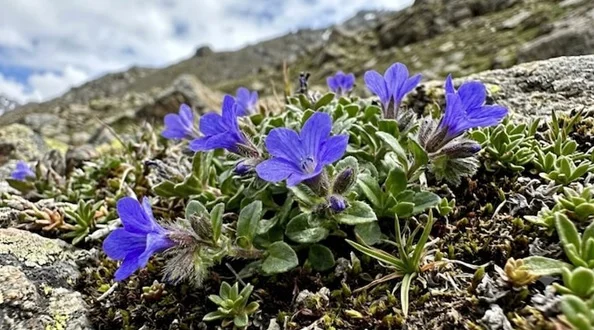
A rare alpine flowering plant, Cyananthus hookeri, has been recorded in Arunachal Pradesh after a gap of 158 years, making it one of the most significant botanical rediscoveries in India.
Environment & Ecology 11-Jul-2026
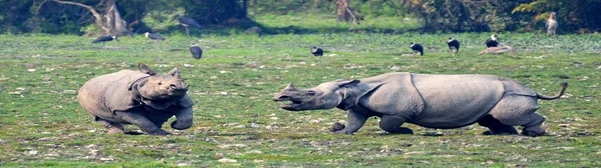
The Governing Body of the National Compensatory Afforestation Fund Management and Planning Authority (CAMPA), chaired by Union Environment Minister Bhupendra Yadav, approved several major biodiversity conservation initiatives during its 7th meeting held in Coimbatore on 10 July 2026.

Environment & Ecology 08-Jul-2026
An international study recently published in the journal Communications Biology has re-recognized the Himalayan pangolin (Manis aurita) as an independent species, distinct from the Chinese pangolin (Manis pentadactyla).
Environment & Ecology 06-Jul-2026
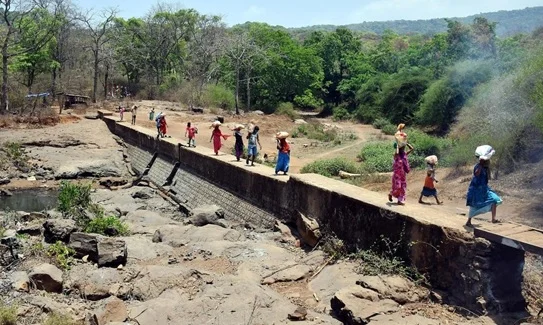
The 2026 Southwest Monsoon has shown significant regional variability, with several parts of north western, central, and southern India experiencing rainfall deficits, raising concerns over groundwater depletion, crop losses, and drinking water shortages.
Environment & Ecology 04-Jul-2026
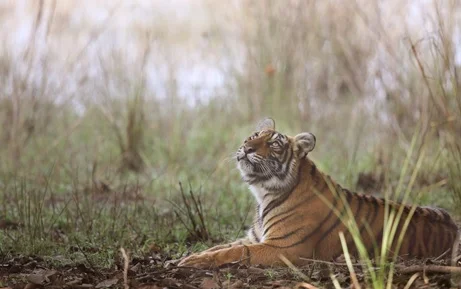
In a significant step in the history of tiger conservation in India, the central government has released two important reports to mark the 18th anniversary of tiger reintroduction into the Sariska Tiger Reserve in Rajasthan.

Environment & Ecology 04-Jul-2026
With Chennai's rapidly growing investment in AI and data center projects, widespread discussion has begun regarding their increasing power and water demands and their impact on the city's environmental sustainability.