- UPSC Exam
- State PCS
- One Day Exam
- Current Affairs
- PT Quiz
- Downlaods
- About Coaching
- Blog
- Videos

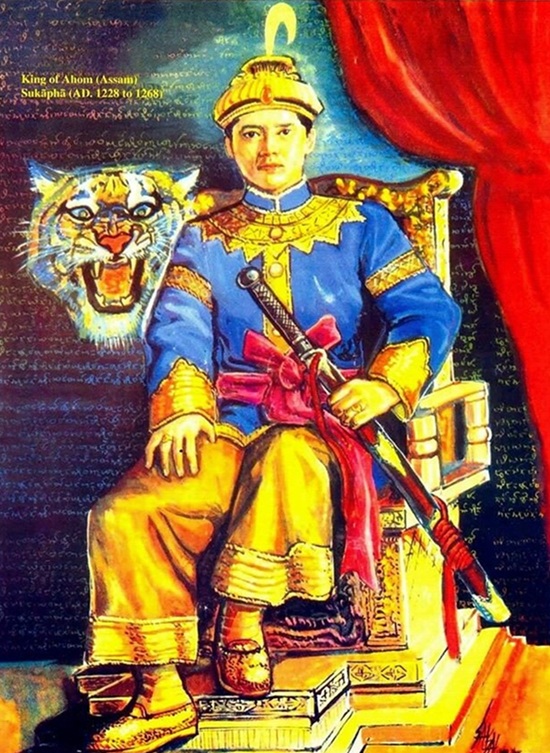
Recently, the Charaideo Moidams of Assam have been officially included in the UNESCO World Heritage List (Cultural Category). This decision was taken during the 46th Session of the World Heritage Committee (WHC) held in New Delhi. It is the first cultural site from Northeast India to receive the World Heritage tag. With this, India now has a total of 44 World Heritage Sites.
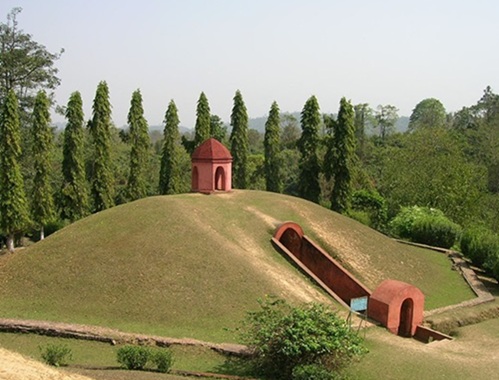
Each Moidam is an elaborate funerary complex consisting of:
Belief in Rebirth
Along with the deceased Ahom kings, items considered necessary for the afterlife were buried, including:
Burial Practice
This reflects the adoption of local Indian religious traditions by the Tai-Ahoms.
Cultural Continuity
Ancestor-worship rituals such as Mi-Dam-Mi-Phi and Tarpan continue even today—an unbroken tradition of over 600 years.
Administration and Security
| Prelims: (Health + CA) Mains: (GS 3 – science) |
The Ministry of Health and Family Welfare commemorated World AIDS Day 2025 under the theme “Overcoming disruption, transforming the AIDS response,” highlighting India’s progress in HIV prevention, treatment, and epidemic control.
The World Health Organization (WHO) first marked World AIDS Day on 1 December 1998 to recognize the vital role of civil society in shaping a global response to HIV/AIDS.

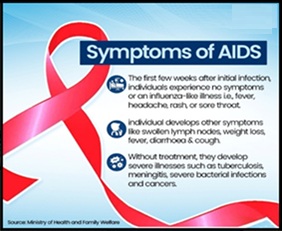
About NACP
The National AIDS Control Programme (NACP) is India’s flagship initiative for HIV prevention, control, and management.
It is implemented by the National AIDS Control Organisation (NACO) under the Ministry of Health and Family Welfare.
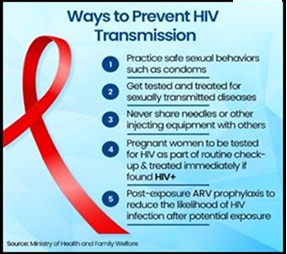
AIDS Defined
AIDS (Acquired Immunodeficiency Syndrome) is the advanced stage of HIV infection, characterized by severe immune damage and life-threatening infections.
NACP I (1992–1999)
NACP II (1999–2006)
NACP III (2007–2012)
NACP IV (2012–2017, extended to 2021)
NACP V (2021–2026)
FAQs1. Why is World AIDS Day important ? It raises awareness about HIV, supports affected individuals, and reinforces global commitments to end AIDS. 2. Can HIV be cured ? No. HIV has no cure. However, ART effectively suppresses the virus and prevents progression to AIDS. 3. How is HIV transmitted ? Through infected bodily fluids—primarily unprotected sex, sharing needles, mother-to-child transmission, and unsterilized medical or tattooing equipment. 4. What is the role of NACO ? NACO coordinates India’s HIV/AIDS programme, ensures ART access, conducts surveillance, and leads prevention campaigns. 5. What progress has India made in HIV control ? India has achieved a 49% reduction in new infections and significantly increased ART coverage, placing it ahead of global averages in epidemic control. |
| (Preliminary Examination: Current Affairs) (Mains Examination, General Studies Paper 3: Conservation, Environmental Pollution and Degradation, Environmental Impact Assessment.) |
Every winter, Delhi and large parts of North India are shrouded in a thick layer of smog. Governments adopt quick measures such as cloud seeding, smog towers, odd-even rules, or water sprinkling, but air quality improves only temporarily. The real problem lies in India's air governance flaws, fragmented responsibilities, and short-term political incentives.
Air quality management is fragmented across multiple institutions:
India doesn't lack ideas, technologies, and expertise; what's lacking is alignment between expert recommendations and actual capacity, between global models and Indian soil, between political priorities and long-term commitment. Clean air is not just a weather issue, but a question of public health, productivity, and the basic functionality of cities. High-tech tools can provide temporary relief, but lasting solutions are only possible through governance reforms tailored to Indian conditions.
| (Preliminary Examination: Current Affairs) (Mains Examination, General Studies Paper 2: Welfare schemes for vulnerable sections of the population by the Centre and States and their implementation; Mechanisms, Laws, Institutions, and Bodies established for the protection and betterment of these vulnerable sections) |
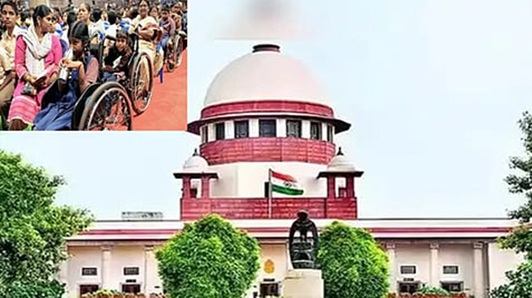
Recently, the Supreme Court asked the Central Government whether a stringent law similar to the SC/ST Atrocities Act could be enacted against those who insult or ridicule persons with disabilities (PwDs). This comment was made during a hearing on a case involving derogatory comments made against persons with disabilities on social media.
| Prelims: (Environment + CA) Mains: (GS-3 – Environment, Technology) |
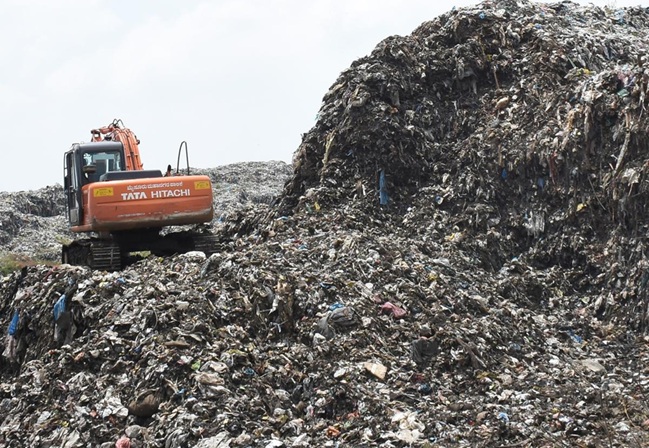
India is facing a severe environmental crisis triggered by decades of unchecked industrial waste, pesticide accumulation, oil spills, untreated sewage, and heavy-metal pollution—making bioremediation an urgent national priority.
1. In Situ Bioremediation
2. Ex Situ Bioremediation
These international models show how bioremediation can be mainstreamed into national environmental policies.
Bioremediation can accelerate progress in:
It can also generate employment in:
FAQs1. What is bioremediation and why is it important ? Bioremediation uses biological organisms to break down pollutants. It is vital for India because traditional clean-up technologies are expensive, unsustainable, and often ineffective for large-scale contamination. 2. How does bioremediation help in cleaning polluted rivers and soils ? Microbes or plants metabolise pollutants like oil, pesticides, and metals, converting them into harmless compounds—making it suitable for river restoration, sewage treatment, and soil recovery. 3. Is bioremediation safe for the environment ? Natural bioremediation is generally safe. Risks arise mainly with genetically engineered organisms, which require strict biosafety regulations. 4. Which government bodies are involved in promoting bioremediation in India ? The Department of Biotechnology (DBT) and CSIR–NEERI are the primary agencies supporting research, pilot projects, and national-level interventions. 5. What are India’s biggest opportunities in bioremediation ? Large-scale applications can be integrated into river cleaning missions, industrial remediation, urban waste management, and land restoration, while generating green-sector employment. |
| Prelims: (Defence Technology + CA) Mains: (GS-3 – Security, Technology) |
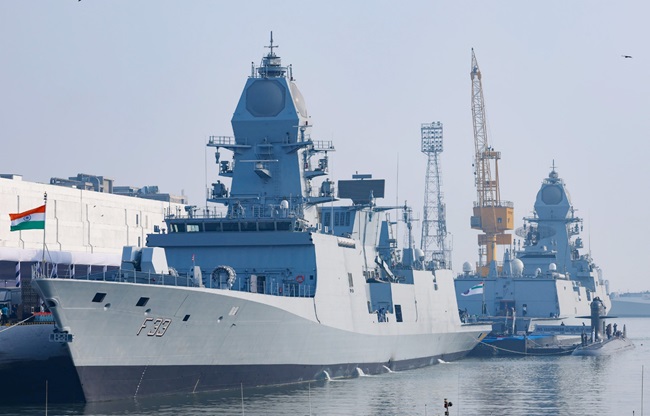
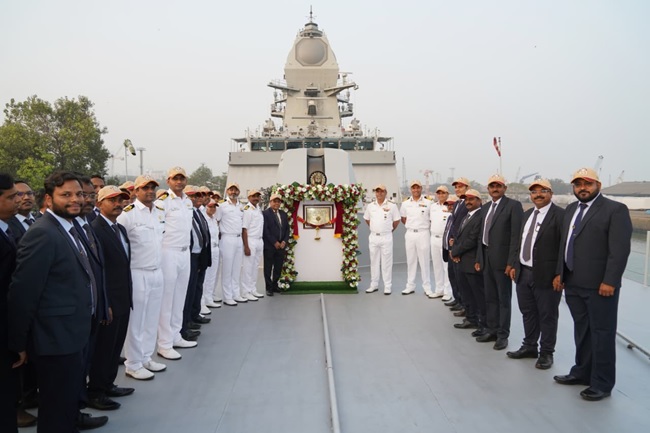
The Indian Navy has inducted INS Taragiri (Yard 12653), the fourth Nilgiri-class (Project 17A) frigate and the third P17A vessel constructed by Mazagon Dock Shipbuilders Ltd (MDL).
FAQs1. What is Project 17A? Project 17A is an initiative to build seven state-of-the-art stealth frigates for the Indian Navy, featuring advanced weapons, sensors, and higher indigenization levels than previous classes. 2. How is INS Taragiri different from the earlier ship with the same name? The older INS Taragiri was a Leander-class frigate. The new Taragiri is a next-generation stealth frigate with advanced sensors, EW suites, and modern weapon systems. 3. Why is the Integrated Construction Method important? It allows ships to be built in larger pre-outfitted blocks, reducing production time and improving build accuracy. 4. What propulsion system does INS Taragiri use? It uses a CODOG configuration that combines diesel engines and gas turbines for optimized speed and fuel efficiency. 5. How much of the Nilgiri-class is indigenized? Approximately 75% of the onboard systems are sourced domestically, supporting India’s defence self-reliance goals. |
| Prelims: (Animal Rights, Polity + CA) Mains: GS-2 – Governance; GS-4 – Ethics) |
A growing body of political theory challenges the longstanding assumption that animals exist outside the domain of politics. Recent scholarship argues that democratic systems must evolve to include institutional mechanisms for animal representation, moving beyond anthropocentric norms that view politics as exclusively human.
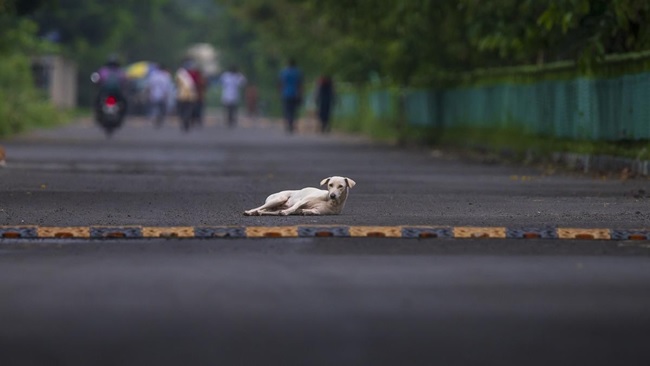
Modern democratic thought is built on an anthropocentric foundation—one that identifies rationality, speech, and agency as prerequisites for participation in political life.
Animals, viewed as beings lacking these attributes, are relegated to the realm of “mere life,” excluded from democratic consideration despite being deeply impacted by human decisions.
This exclusion is structural, not incidental—it forms the political basis that permits exploitation.
Re-examining this boundary is essential to expand democracy’s moral community.
Designing Democratic Institutions
Representation must be embedded across branches of government:
Executive Level
Legislative Level
Administrative Level
Structural Safeguards:
FAQs1. Why is the idea of animal representation gaining attention now? Growing ethical scholarship argues that democratic institutions invisibly exclude animals, even though human decisions profoundly impact their lives through agriculture, land use, environment, and public safety. This has led to calls for formal representation mechanisms. 2. Does animal representation mean giving animals human-like rights or voting power? No. Representation does not involve granting animals voting rights. Instead, it focuses on creating fiduciary or trustee-based institutions that protect their interests on their behalf. 3. Why do existing democratic systems fail to protect animals effectively? Majoritarian democracies prioritise voter interests. Animals lack votes, lobbying capacity, and economic influence, allowing their interests to be overridden by powerful stakeholders, especially industries that exploit them. 4. What is fiduciary stewardship in the context of animal rights? Fiduciary stewardship means humans act as trustees responsible for safeguarding animal welfare with care, loyalty, and prudence—similar to institutions created for children, the environment, or future generations. |
| Prelims: (Polity + CA) Mains: (GS-2 – polity) |
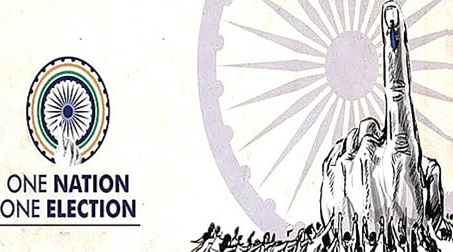
The 23rd Law Commission has presented its preliminary views to the Joint Parliamentary Committee examining two Bills—the Constitution (129th Amendment) Bill, 2024, and the Union Territories Laws (Amendment) Bill, 2024—both aimed at enabling One Nation One Election.
The Commission has concluded that the proposals do not violate the Constitution’s basic structure and that the Model Code of Conduct does not require statutory backing.
About the Doctrine
Significance
About
Historical Context
Here are the FAQs added in the same pattern and format as your reference file:
FAQs1. Does One Nation One Election violate the basic structure of the Constitution? No. The 23rd Law Commission has clarified that synchronising elections does not affect federalism, democratic rights, or other essential features of the Constitution. 2. Do the One Nation One Election Bills require ratification by states? No. Since the Bills do not amend provisions listed under Article 368(2)(a)–(e), state ratification is not required. 3. Why does the Law Commission oppose giving statutory status to the Model Code of Conduct? Because codifying the MCC would slow decision-making during elections. The current flexible, consensus-based model allows quicker action by the Election Commission. 4. What is the Basic Structure Doctrine? It is a principle established in Kesavananda Bharati (1973) stating that Parliament cannot amend or destroy the fundamental features of the Constitution under Article 368. 5. What are the benefits of One Nation One Election? It reduces election expenditure, improves administrative efficiency, prevents policy paralysis, and allows governments to focus more on development rather than continuous campaigning. |
In the Indian artistic tradition, dance is not merely a medium of expression but a vibrant form of spiritual experience, cultural continuity, and aesthetic refinement. The concept of classical dance in India is fundamentally based on the “Natya Shastra”, written by Sage Bharata Muni around the 2nd century BCE. The Natya Shastra is considered the first scientific treatise on dance, music, drama, stagecraft, and expression.
According to the Government of India (Sangeet Natak Akademi – National Academy of Performing Arts), 8 classical dances are officially recognized:
1. Classical Scripture Base
Each classical dance form draws its theoretical foundation from:
2. Integration of Nritta, Nritya, and Natya
3. Raga–Ragini and Tala System
Each dance form follows a structured musical tradition:
4. Hand Gestures (Mudras)
Mudras are based on the Natya Shastra and Abhinaya Darpana and are used to convey emotions, objects, actions, and storytelling.
5. Guru–Shishya Parampara
A deep, traditional teacher–student lineage that ensures discipline, technique, and cultural transmission.
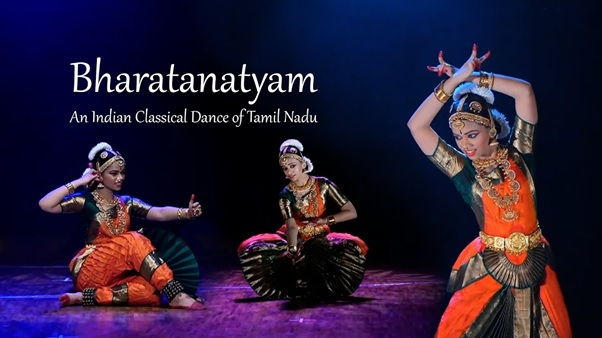
Origin:
Features:
Prominent Artists:
Cultural and Religious Significance:
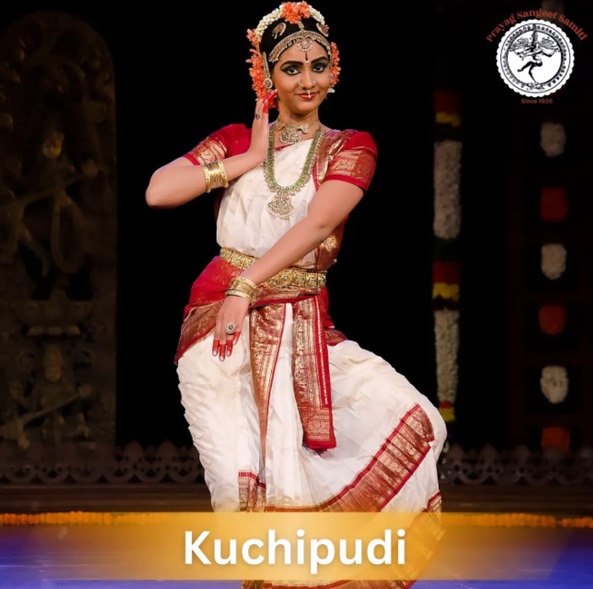
Origin:
Features:
Prominent Artists:
Cultural and Religious Significance:
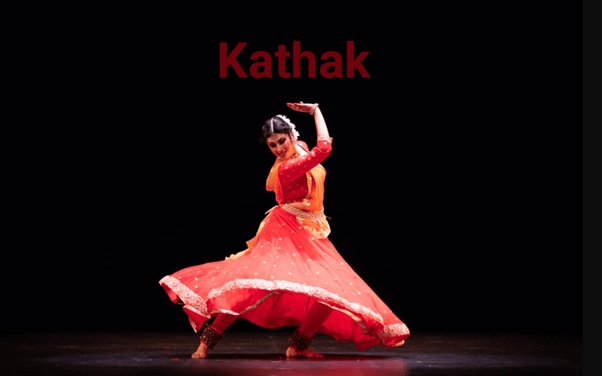
Origin:
Features:
Prominent Artists:
Cultural and Historical Significance:
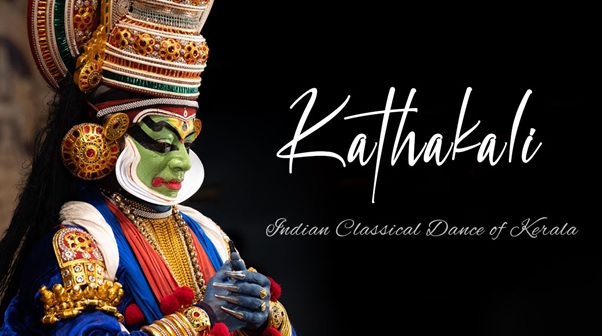
Origin:
Features:
Prominent Artists:
Cultural and Religious Significance:
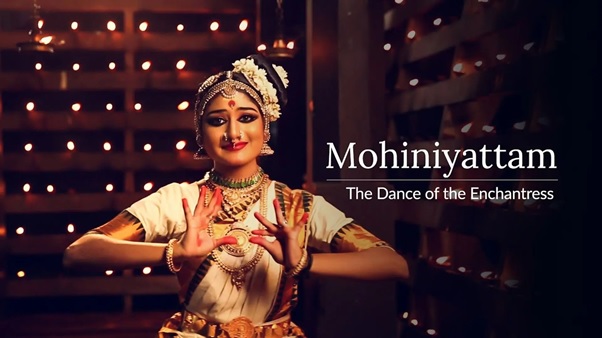
Origin:
Features:
Prominent Artists:
Cultural and Religious Significance:
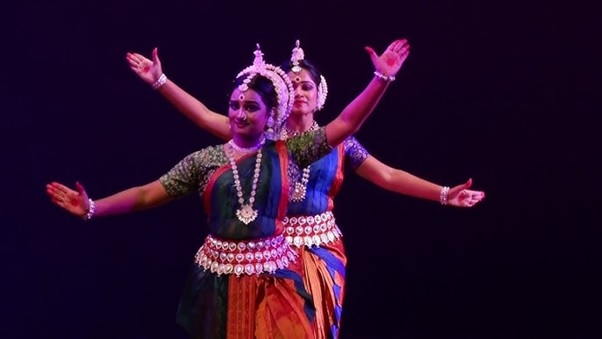
Origin:
Features:
Prominent Gurus and Artists:
Cultural and Religious Significance:
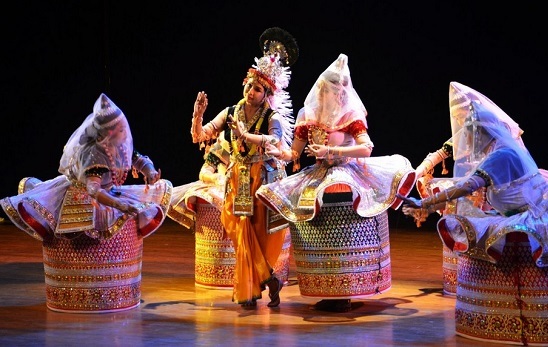
Origin:
Features:
Prominent Artists:
Cultural and Religious Significance:

Origin:
Features:
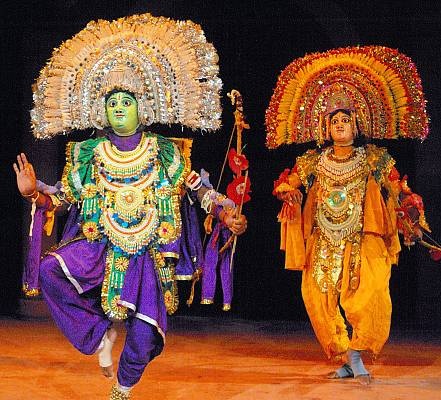
Recognized by the Ministry of Culture as a semi-classical dance combining martial, tribal, and folk elements.
1. Styles and Regions
Three major styles:
2. Themes
3. Masks and Costumes
4. Social Aspects

Our support team will be happy to assist you!

 Contact Us
  New Batch : 9555124124/ 7428085757
  Tech Support : 9555124124/ 7428085757