New
GS Foundation (P+M) - Delhi : 05th Jan., 2026 Winter Sale offer UPTO 75% + 10% Off, Valid Till : 5th Dec., 2025 GS Foundation (P+M) - Prayagraj : 15th Dec., 11:00 AM Winter Sale offer UPTO 75% + 10% Off, Valid Till : 5th Dec., 2025 GS Foundation (P+M) - Delhi : 05th Jan., 2026 GS Foundation (P+M) - Prayagraj : 15th Dec., 11:00 AM

Current Affairs for 05 December 2025

Kerala: India's Oldest State

(Prelims: Current Affairs)

Context

The Thiruvananthapuram-based International Institute of Migration and Development (IIMAD) and the Population Foundation of India (PFI) have released a national report on the population of various states in India. This report provides demographic projections from 2021 to 2051. The data for Kerala is particularly important because the state is becoming India's oldest state.
Kerala: India's Oldest State

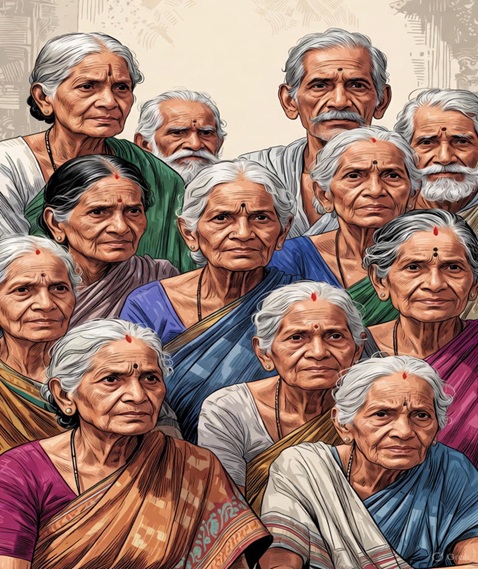
  • According to the report, Kerala will remain the oldest state in 2051, and Bihar the youngest.
  • This is due to low birth rates, high life expectancy, and the rapid pace of demographic change.
  • The report provides three types of projections to account for future uncertainties:
    • Medium Variant: Most realistic projection (35.8 million 35.5 million)
    • Low Variant: Lowest projection (35.7 million 34.9 million)
    • High Variant: Highest projection (35.9 million 36.1 million)
  • All variants confirm that the population will begin to decline after 2041.

Key Findings of the Report

Kerala's Population Changes

  • Kerala's population was 33.4 million in 2011.
  • It is projected to increase to approximately 35.8 million in 2026.
  • The population will reach 36.2 million by 2041.
  • After this, a gradual decline will begin, and the population is projected to fall to 35.5 million in 2051.
  • All projection variants (low, high, and medium) agree that a decline is inevitable after 2041.

Sharp increase in life expectancy

  • Kerala's average life expectancy is projected to be 75.1 years in 2026.
  • By 2051, it will reach 82.9 years.
  • This clearly indicates that Kerala will remain India's oldest state.

Sharp increase in elderly population

  • In 2026, people above 60 years of age constituted 18.6% of Kerala's total population.
  • By 2051, this will increase to 30.6%, meaning 1 in 3 people will be elderly.
  • The state's median age was 37 years in 2026, which will increase to 47 years by 2051.
  • The 80+ age group in Kerala was around 2% in 2021, and is projected to increase to 6.4% in 2051, the highest in India.

Sharp decline in child population in Kerala

  • Share of population aged 0–14 years in 2021:
    • Bihar: 30.3% (highest)
    • Kerala: 19.3% (lowest)
  • Projected in 2051:
    • Bihar: 22.6%
    • Kerala: 12.8% (lowest)
  • This indicates that the birth rate in Kerala is declining significantly and the state will reach close to the floor TFR (1.4).

Rapidly Growing Urbanization

  • In 2011, Kerala's urban-rural ratio was:
    • Urban: 47.7%
    • Rural: 52.3%
  • By 2051, this is projected to increase to:
    • Urban: 91.1%
    • Rural: 8.9%
  • This suggests that Kerala could become one of the most urbanized states in the country.

Conclusion

Kerala's demographic picture provides a clear glimpse of the challenges and opportunities facing India in the coming decades. Declining childbearing, a significant increase in the elderly population, and rapid urbanization are trends that will demand major changes in health services, pension systems, care structures, employment, and social security mechanisms.

Obesity Treatment: WHO's Global Guidelines on GLP-1 Drugs

(Preliminary Examination: Current Affairs)
(Mains Examination, General Studies Paper 2: Topics Related to the Development and Management of Social Sectors/Services Related to Health, Education, Human Resources)

Context

The World Health Organization (WHO) has issued global guidelines for the first time supporting the use of GLP-1 receptor agonist drugs for the long-term treatment of obesity. This guideline emphasizes viewing obesity as a chronic disease, not a problem that can be cured solely through lifestyle changes.
What is Obesity ?

  • Obesity is a condition characterized by excessive body fat accumulation that poses a health risk.
  • According to the WHO, individuals with a BMI of 30 or more are considered obese.
  • Obesity is a major cause of diseases such as heart disease, diabetes, high blood pressure, stroke, and some cancers. It is now considered a chronic, progressive, and relapsing disease.
  • More than one billion people worldwide are obese, and 3.7 million deaths are expected to be associated with obesity in 2024.

What are GLP-1 medications ?

  • GLP-1 receptor agonist medications are a group of drugs originally developed to treat type 2 diabetes.
  • They mimic the GLP-1 hormone found in the body, which regulates appetite and increases insulin production.

Functions:

  • They reduce appetite and slow stomach emptying, leading to fewer calories consumed.
  • They regulate blood sugar.
  • They improve metabolic health and reduce burden on the heart and kidneys.
  • They have been shown to induce weight loss of up to 10–20% when taken long-term.

About the WHO GLP-1 Guidelines

  • Conditional recommendations have been issued on the use of GLP-1 drugs for the long-term treatment of obesity in adults.
  • In 2024, WHO included GLP-1 drugs for diabetes on the Essential Medicines List.
  • Their long-term use is now also supported for the treatment of obesity.
  • Obesity is no longer an individual problem but a public health priority.

Key Guidelines

WHO recommends a model for obesity management based on three pillars:

  1. Creating a healthy environment
  2. Identifying individuals at risk and early intervention
  3. Lifelong, person-centered care
    • These drugs are not approved for use in pregnant women.
    • The drugs cannot be used alone. They must be used in conjunction with a diet plan, exercise, and counseling.
    • The WHO has warned that without proper price controls and health system preparedness, access to these drugs could be unequal.
    • There are concerns that by 2030, less than 10% of those who could benefit from them will have access to these drugs.

Indian Government Efforts

  • India has intensified efforts to combat obesity through programs such as the National Health Policy, the Fit India Movement, the Nutrition Campaign, and the School Health Program.
  • Given the rising incidence of obesity and diabetes, the government is also working on healthy food labeling, trans-fat restrictions, and sugar reduction strategies.
  • India is studying WHO guidelines to align the availability, affordability, and safety of these drugs with India's health system.

Challenges

  • GLP-1 drugs are very expensive and not widely available.
  • There is limited data on their long-term effects, safety, and weight regain after discontinuation.
  • Awareness about obesity and related diseases is low in rural areas.
  • Health systems lack expert counseling and structured programs.
  • Social stigma associated with obesity prevents many people from seeking treatment.

Way Forward

  • Making GLP-1 drugs affordable and gradually incorporating them into India's health system.
  • Running extensive awareness programs on healthy eating and physical activity in schools and communities.
  • Viewing obesity as a 'chronic disease' rather than a 'lifestyle problem' and adopting new treatment models.
  • Developing better infrastructure for both obesity prevention and treatment through public-private partnerships.
  • Increasing long-term research to provide clear scientific evidence on the safety and long-term effects of GLP-1s.

India Moves to Upgrade High-Density Rail Corridors: Key Expansion Approved

Prelims: (Infrastructure + CA)
Mains: (GS 3 – Infrastructure, economy)

Why in News ?

The Union Government has approved the construction of third and fourth railway lines on the 32 km Badlapur–Karjat stretch in Maharashtra. This expansion strengthens a crucial segment of the Mumbai–Chennai High Density Network (HDN)—one of the busiest rail corridors in India. The move forms part of Indian Railways’ long-term plan to decongest all seven HDN corridors, which together form just 16% of the total network but handle 41% of all rail traffic. With rising passenger load and growing freight demand, expanding HDN capacity has become essential for safe, efficient, and future-ready train operations.
What’s in Today’s Article ?

  • High Density Network (HDN): Concept & Features
  • India’s Seven HDN Corridors
  • Future Congestion Forecasts
  • Need for Additional Lines
  • Line Expansion & DFC Impact

About the High Density Network (HDN)

HDN comprises the railway stretches where both passenger and freight traffic are at saturation levels, leading to slower operations and increased delays.

  • Total Indian Railways route-km: 69,181 km
  • HDN route-km: 11,051 km (15.97%)
  • Divided into 237 high-utilisation sections

Capacity Utilisation Levels on HDN

A healthy rail system should operate at 70–80% utilisation.

The HDN far exceeds this threshold:

Capacity Utilisation

Share of HDN

Below 80%

4.60%

80–100%

18.89%

100–120%

32.75%

120–150%

29.53%

Above 150%

14.11%

Nearly 95% of HDN sections operate above the optimal limit.

Case Study: Karjat–Lonavala Section

  • Length: 28 km
  • Daily trains in each direction: 67
  • Designed capacity: 40
  • Utilisation: 167%

This illustrates the extreme congestion on the HDN network.

How the HDN Compares with the Rest of Indian Railways

National Rail Plan — 2051 Highlights:

  • 45% of national routes run below 70% utilisation
  • Only 1% of the total network crosses 150% utilisation
  • Meanwhile, 14% of HDN alone exceeds 150%

This makes the HDN the most overstretched part of India’s railway system.

India’s Seven High-Density Rail Corridors

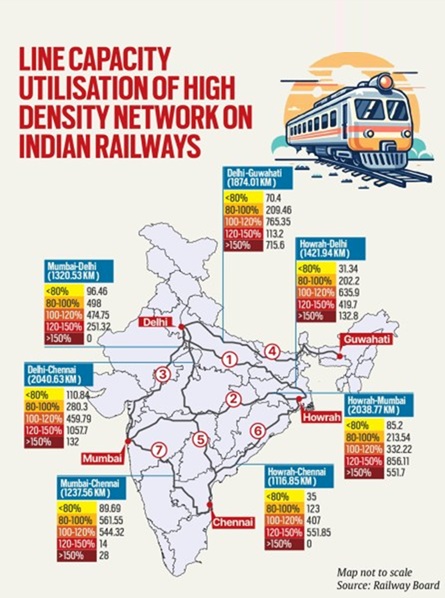
  1. Howrah–Delhi (1,422 km)
    • Only two sections below 80% utilisation; rest saturated.
  2. Howrah–Mumbai (2,039 km)
    • High congestion on Golden Diagonal; heavy freight–passenger demand.
  3. Mumbai–Delhi (1,322 km)
    • Supported by the Western DFC; fewer sections above 150%.
  4. Delhi–Guwahati (1,876 km)
    • 96% of the corridor above 80% utilisation; constrained by terrain & demand.
  5. Delhi–Chennai (2,037 km)
    • Over half the corridor at 120–150% utilisation.
  6. Howrah–Chennai (1,117 km)
    • Nearly 50% at 120–150% utilisation.
  7. Mumbai–Chennai (via Pune, Solapur, Guntakal)
    • 90% utilisation between 80–120%; nearing saturation.

Future Congestion Projections

By 2051

  • No HDN segment will operate below 100% utilisation
  • 92% of HDN will exceed 150% utilisation
  • Severe risk of operational slowdowns

By 2031 (Near-term Outlook)

  • 50% of HDN → Above 150%
  • 39% → 100–150%
  • Only 9% → Within manageable limits

Without capacity expansion, HDN congestion will reach critical thresholds much earlier than 2051.

Line Expansion: The Core Strategy for Decongestion

With demand outpacing current capacity, Indian Railways has prioritised:

  • Doubling
  • Tripling
  • Quadrupling
  • Penta-lining and Hexa-lining

Recent Achievements in Line Expansion

Year

Track Added

2021–22

1,983 km

2022–23

3,185 km

2023–24

2,244 km

2024–25

2,900+ km

However, the HDN load demands much faster expansion.

Role of Dedicated Freight Corridors (DFCs)

  • Eastern DFC: Fully operational
  • Western DFC: 96.4% complete

The DFCs are expected to divert large volumes of freight from HDN, helping free up tracks for high-speed and suburban passenger services. This remains one of the most transformative interventions for HDN decongestion.

FAQs

1. What is the purpose of expanding lines on the Badlapur–Karjat stretch ?

To reduce congestion on the Mumbai–Chennai HDN and support higher suburban and long-distance traffic volumes.

2. What makes HDN corridors different from regular routes ?

They carry the densest passenger and freight loads and operate far above optimal capacity.

3. Why is the HDN facing such heavy congestion ?

Rapid growth in passenger demand, increased freight movement, and limited parallel infrastructure.

4. How will DFCs help reduce HDN overload ?

By shifting freight trains from HDN to dedicated corridors, creating more capacity for passenger trains.

5. What does 150% utilisation mean ?

The route is running 1.5 times the number of trains it was designed to handle—leading to delays and safety concerns.

Judiciary Highlights Severe Gaps in Critical Care for Acid Attack Survivors

Prelims:  (Polity + CA)
Mains: (GS 1 – Society: GS 2 – Governance & Social Justice)     

Why in News ?

The Supreme Court has sharply criticised the persistent delays in compensating acid attack survivors and the widespread non-compliance of private hospitals in providing free emergency treatment—mandatory under earlier Court orders.
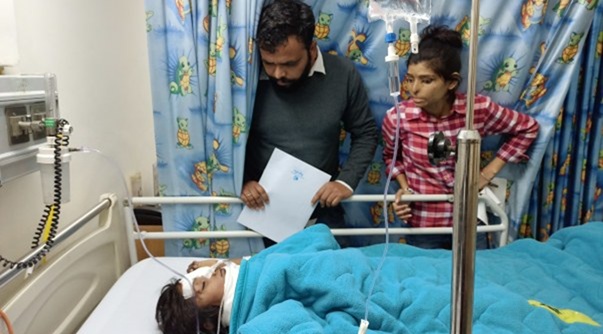
Judicial Intervention in Acid Attack Matters

Acid attacks—primarily targeting women—have long been treated as a severe gender-based crime. The Supreme Court’s involvement began intensively after the Laxmi vs. Union of India case (2006), which led to structural directions such as:

  • Minimum compensation of ₹3 lakh, with ₹1 lakh payable within 15 days of the incident.
  • Free and immediate medical care in all private hospitals, including surgeries, medicines, food, and rehabilitation support.
  • Ban on unregulated over-the-counter sale of acid.
  • Designation of DLSAs as Compensation Boards for timely disbursement of claims.

Yet, despite clear directives, systemic obstacles persist—survivors still struggle to access critical surgeries, emergency care, and financial support.

Current Proceedings Before the Supreme Court

A petition by the Acid Survivors Saahas Foundation highlighted massive inconsistencies across States.

Key Findings Presented to the Court

  • Many survivors received only partial compensation, commonly the initial ₹1 lakh.
  • Several private hospitals demanded upfront payment, in violation of Court orders.
  • Incomplete and inaccurate compliance reports were submitted by States.
  • 8 States and 5 UTs had not filed mandatory affidavits explaining delays.
  • Survivors in states like Maharashtra and UP had no access to advanced reconstructive procedures due to non-payment of funds.

The Bench expressed strong dissatisfaction with “years of non-compliance despite unambiguous directions.”

Fresh Directions Issued by the Supreme Court

1. Strengthening Financial Accountability

  • Chief Secretaries of States must personally ensure seamless fund transfer—State → SLSA → DLSA → Survivors.
  • The Court questioned whether the ₹3 lakh compensation cap should be revised, noting rising medical costs and multiple-surgery requirements.

2. Free Treatment in Private Hospitals

Principal Health Secretaries of each State/UT must enforce compliance:

  • Private hospitals cannot refuse or delay free medical care for acid attack victims.
  • Any refusal amounts to willful disobedience of Supreme Court orders and may attract criminal proceedings.

3. Detailed Data Disclosure by NALSA

The Court demanded victim-wise data, including:

  • Name of survivor
  • Compensation claimed & paid
  • Date of application
  • Date of disbursement
  • Pending amounts with reasons

NALSA stated that ₹484 crore was disbursed between March 2024 – April 2025, but promised detailed break-ups.

Implications for Governance and Victim Rights

  • The ruling strengthens the framework of rights-based entitlements, not discretionary welfare.
  • Reinforces institutional accountability in cases involving gender-based violence.
  • Ensures access to timely healthcare—critical because acid burns require:
    • multiple reconstructive surgeries
    • lifelong rehabilitation
    • mental health support
  • Encourages improved coordination among State governments, hospitals, DLSAs, and NALSA.

FAQs

1. What compensation is an acid attack survivor legally entitled to ?

As per Supreme Court directions, a minimum of ₹3 lakh, including ₹1 lakh in the first 15 days. Some States offer higher amounts under their victim compensation schemes.

2. Are private hospitals legally bound to treat survivors for free ?

Yes. Private hospitals must provide free emergency and critical care, including surgeries, medicines, and diagnostics.

3. Who disburses compensation to survivors ?

The District Legal Services Authority (DLSA) manages disbursement, under supervision of SLSA and NALSA.

4. Why is compensation delayed despite clear orders ?

Common reasons include:

  • bureaucratic delays
  • poor fund allocation
  • lack of monitoring
  • inadequate reporting by States

5. Can survivors take legal action if hospitals deny treatment ?

Yes. Denial of treatment violates Supreme Court rulings and can result in legal and criminal consequences for the institution.

The Expanding Nuclear Horizon in Outer Space

Prelims: (Geography + CA)
Mains: (GS 1 - Geography; GS 2 - Governance; GS 3 -Technology)     

Why in the News ?

The United States has unveiled a major step in its Lunar Fission Surface Power Project, aiming to install a small fission-based nuclear reactor on the Moon by the early 2030s. Part of NASA’s Artemis Base Camp, this initiative marks the world’s first attempt to deploy a permanent off-Earth nuclear power plant, signaling the beginning of a new era of nuclear-powered space activity.

How Nuclear Technologies Are Transforming Space Exploration

1. Advanced Radioisotope Thermoelectric Generators (RTGs)

  • RTGs convert heat from plutonium-238 decay into electricity.
  • Offer only a few hundred watts—sufficient for probes (Voyager, New Horizons) but inadequate for human habitats.
  • Used for decades for deep-space missions where sunlight is weak.

2. Compact Fission Reactors (10–100 kW)

  • Small modular reactors, similar to shipping-container size.
  • Can power lunar/Martian habitats, life-support systems, and early industrial facilities.
  • Key for long-duration human bases.

3. Nuclear Thermal Propulsion (NTP)

  • Reactors heat hydrogen propellant to provide high thrust.
  • The U.S. DRACO NTP project will begin tests by 2026.
  • Could shorten Earth–Mars travel time by several months.

4. Nuclear Electric Propulsion (NEP)

  • Reactors generate electricity to power ion engines.
  • Enables efficient, long-term deep-space travel for probes and cargo ships.

Why Nuclear Power is Essential for Space Settlements

Solar Power Limitations

  • Lunar nights last 14 Earth days, plunging temperatures to –170°C.
  • On Mars, global dust storms can last months, drastically reducing solar output.
  • Nuclear power solves the intermittency problem.

Reliability Requirements for Human Bases

Human habitats need 24x7 power for:

  • Oxygen regeneration
  • Water production
  • Habitat heating
  • Fuel production (methane, hydrogen)
  • Communication and scientific instruments

Only nuclear fission offers consistent base-load power.

Location Independence

  • Bases can be built in permanently shadowed craters (rich in water ice) where sunlight never reaches.
  • Enables large-scale ISRU operations.

Scaling for Future Industries

  • Manufacturing, oxygen plants, agricultural domes, and fuel refineries require megawatt-level energy, impossible with current solar technology.

Legal Framework Governing Nuclear Power in Space

Outer Space Treaty (OST), 1967

  • Prohibits nuclear weapons in space.
  • Allows peaceful nuclear power systems (reactors, RTGs).

1992 UN Principles on Nuclear Power Sources in Outer Space

  • Require safety assessments and risk mitigation.
  • Mandate proper disposal of radioactive systems.

Other Relevant Agreements

  • 1972 Liability Convention: Defines liability for accidents caused by space objects.
  • IAEA & COPUOS guidelines: Offer voluntary safety norms for nuclear missions.

Key Risks and Legal Challenges

1. Environmental Contamination

A reactor leak on the Moon/Mars could:

  • Permanently alter pristine environments
  • Ruin scientific studies of planetary evolution
  • Compromise future habitability

2. “Safety Zones” vs Territorial Claims

  • Nuclear reactors require exclusion zones for radiation safety.
  • But exclusive zones could allow nations to indirectly claim territory, violating the OST.

3. Increased Geopolitical Tensions

  • Nuclear-powered missions may be misinterpreted as weaponization.
  • Could lead to mistrust or conflict among spacefaring nations.

4. Absence of Binding Global Safety Standards

  • Different nations may conduct risky tests.
  • Leads to a “race to the bottom” in safety practices.

The Way Forward: Ensuring a Responsible Nuclear Future in Space

1. Strengthening Legal Norms

  • Update 1992 Principles to include NTP, NEP, and modern fission systems.
  • Introduce binding safety standards for design, shielding, and disposal.

2. Multilateral Oversight Body

  • Create an International Space Nuclear Safety Group (IAEA-like)
  • Certify designs and monitor compliance.

3. Clear Incident Response Protocols

  • Update the Liability Convention to handle space-based nuclear accidents.
  • Define emergency procedures and responsibilities.

4. Safety Zones without Sovereignty Claims

  • Create temporary, non-exclusive safety perimeters around reactors.

5. Collaborative Rule-Making

  • Include all major space players—US, Russia, China, India, ESA.
  • Engage private players (SpaceX, Blue Origin) to ensure feasibility.

FAQs

1. Why is nuclear power preferred over solar power on the Moon ?

Because the Moon experiences 14-day-long nights, making solar unreliable and requiring massive batteries. Nuclear provides constant power.

2. What is NASA’s Lunar Fission Surface Power Project ?

A U.S. initiative to deploy a small fission reactor on the Moon by early 2030s to support Artemis base operations.

3. Are nuclear reactors allowed in space under international law ?

Yes. The Outer Space Treaty bans nuclear weapons but permits peaceful nuclear power systems like reactors or RTGs.

4. What are the major risks of nuclear power in space ?

Radioactive contamination, unsafe testing, territorial disputes from “safety zones,” and potential geopolitical conflict.

5. How can nuclear propulsion help Mars missions ?

NTP and NEP systems can cut travel time, improve safety, and allow heavier cargo missions.

India Outlines 2035 Climate Strategy: Seven-Pillar Roadmap for Energy Transition

Prelims: (Paris Agreement + CA)                                                                                                                                                                             Mains: (GS 1 – Society; GS 2 – Governance & Economy; GS 3 – Environment & Technology)

Why in News ?

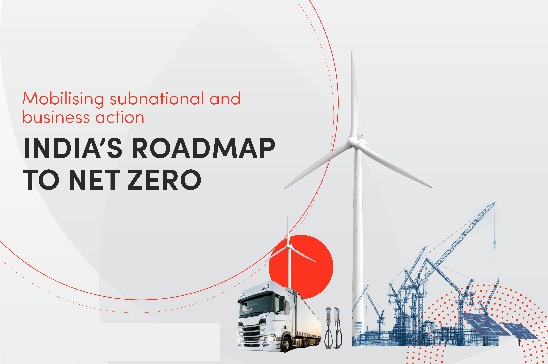
India is finalising its next set of Nationally Determined Contributions (NDCs) for 2035 under the Paris Agreement. As the country is on track to achieve its 2030 commitments, policymakers are now designing an expanded, economy-wide energy transition strategy aligned with India’s Net-Zero 2070 target. Experts propose a seven-pillar agenda to guide India’s NDC submission for 2035.
What’s in Today’s Article ? 

  • India’s Updated Climate Commitments
  • Seven-Pillar Energy Transition Strategy
  • Institutional & Financing Needs
  • Way Forward

India’s Seven-Pillar Energy Transition Strategy for 2035

1. Higher Emissions Intensity Reduction Target

  • India will comfortably meet its 2030 target of reducing emission intensity by 45% (over 2005 levels).
  • Proposed 2035 target: 65% reduction.
  • With GDP expected to grow at 7.6%, absolute emissions may still rise but are expected to peak around 2035, improving India’s global climate credibility.
  • Declaring a peaking year would counter narratives that India is among the top global emitters.

2. Scaling Up Non-Fossil Power Capacity

  • India has already achieved its 2030 target of 50% installed non-fossil capacity.
  • Proposed 2035 target: 80% non-fossil capacity.
  • Total power capacity will rise to 1,600 GW by 2035, of which:
    • Solar + wind = ~1,200 GW
    • Renewable share in generation = 50% (up from 13.5% today)
  • India’s energy storage capacity must increase from <1 GW today to ~170 GW by 2035.
  • Requires large-scale expansion of transmission infrastructure and interstate grid capacity.

3. Phasing Down Unabated Coal

  • No new unabated coal plants post-2030.
  • Coal capacity:
    • Present: 255 GW
    • Peak (2030): 293 GW
    • Decline to 230 GW by 2040
  • Coal usage may continue in 2070 only with cost-competitive carbon capture (CCS).
  • Coal states (Jharkhand, Odisha, Chhattisgarh) must prepare for:
    • Workforce transition
    • Diversification
    • Social protection

4. Accelerated Electrification of Transport

Railways

  • Infrastructure is 99% electrified, but less than 90% of actual movement uses electric traction.
  • Goal: Almost 100% electric operations by 2035 and eliminate diesel locomotives.

Urban Mobility

  • 50% of all city buses electric by 2035.
  • 100% e-three-wheelers within next few years.
  • EV sales targets likely for 2-wheelers, 4-wheelers, and commercial vehicles.

5. Implementing the Carbon Credit Trading Scheme (CCTS)

  • CCTS becomes operational in April 2026.
  • Initially, targets will be lenient, tightening gradually to reach net-zero pathways.
  • Over time, CCTS may expand to sectors currently excluded, such as power generation.
  • A stable carbon market will be key for emissions reduction and attracting green investment.

6. Managing Variability Through Electricity Market Reforms

With renewable penetration rising, India must address:

  • Intraday and seasonal variability
  • Grid balancing
  • Energy storage needs

Required Reforms:

  • Dynamic, exchange-based power pricing
  • Time-of-day (ToD) tariffs for consumers
  • Reduced dependence on long-term PPAs
  • Large-scale deployment of battery and pumped-storage systems

Public acceptance of new tariff systems will be a major challenge.

7. Financing the Transition

  • Required investment: USD 62 billion annually (2026–2035)0.84% of GDP.
  • 80% domestic + 20% international finance (multilateral banks, blended finance, green bonds).
  • India needs predictable policy pathways (Viksit Bharat vision) to draw foreign investment.

Institutional Strengthening

  • India needs an integrated, economy-wide transition plan aligned across Centre, states, and private sector.
  • Strong case for reviving the Prime Minister’s Council on Climate Change to:
    • Coordinate policy
    • Review progress
    • Oversee just transition in coal states
    • Integrate new technologies

Way Forward

  • Secure concessional climate finance.
  • Submit NDCs based on this seven-pillar framework with conditionalities linked to global climate finance commitments.
  • Balance coal phase-down with renewable growth.
  • Expand domestic manufacturing of batteries, solar modules, EVs.
  • Enhance grid stability and market reforms.
  • Prepare coal-dependent regions for a just transition.
  • Build national skills for emerging green sectors.

FAQs

1. What are India’s Nationally Determined Contributions (NDCs) ?

NDCs are country-specific climate action plans under the Paris Agreement outlining emission reduction targets, adaptation actions, and energy transition goals.

2. Why is India preparing new NDCs for 2035 ?

Countries must update NDCs every five years. India’s current NDC is valid till 2030, and the new submission will outline climate commitments for 2035.

3. Will India declare an emissions peaking year ?

The proposed framework suggests 2035 as the likely peaking year, improving global credibility.

4. Will India stop using coal ?

Coal will not be eliminated soon but will be phased down, with no new unabated plants after 2030. Some coal may remain beyond 2040 with CCS technology.

5. How will electric mobility expand by 2035 ?

Through 100% e-three-wheelers, 50% e-buses, full railway electrification, and targeted EV sales for all vehicle categories.

India–Russia Relations Ahead of Putin’s Visit: Strategic Signals and Future Outlook

Prelims: (Polity + CA)
Mains: (GS 2 - International Relations; GS 3 – Security)

Why in News?

India is set to host Russian President Vladimir Putin for a two-day visit to attend the 23rd India–Russia Annual Summit, even as New Delhi faces punitive U.S. tariffs linked to imports of Russian oil. The visit highlights India’s determination to maintain strong strategic ties with Russia, despite intensifying global pressure, geopolitical constraints, and an increasingly volatile global order.

Putin’s India Visits: Then and Now

Putin’s First Visit (2000):

A Relationship Built in a Turbulent Era When Vladimir Putin first visited India in October 2000, both countries were navigating uncertain phases:

  • India was under Western sanctions following Pokhran-II nuclear tests.
  • Russia was recovering from the Soviet Union’s collapse.
  • The U.S. was a dominant superpower in a unipolar world.
  • India–Pakistan ties were fragile after Kargil and the IC-814 hijacking.
  • The visit came months before the Red Fort terror attack (December 2000).

Both nations were dealing with instability—though in different ways.

Putin’s 2025 Visit: Similar Pressures, Changed Capacities

His upcoming visit on 4–5 December 2025 is the first since the Ukraine war began.

Today’s context:

  • Russia faces severe Western economic sanctions.
  • India is hit by secondary sanctions and U.S. tariffs on Russian oil imports.
  • India–Pakistan tensions have risen following fresh border clashes.
  • A recent blast near Red Fort echoes past security concerns.

Yet unlike in 2000, India and Russia are stronger players today, even while being pressured globally.

India’s Defence Dependence on Russia: Declining but Still Critical

India has diversified its defence procurement, but nearly 60% of its military hardware remains Russian.

Key examples:

  • S-400 air defence system: Russia has delivered 3 of 5 batteries; India now seeks five more.
  • India relies on Russia for maintenance, engines, spare parts, and ammunition for long-standing systems like:
    • Sukhoi aircraft
    • T-90 tanks
    • Kilo-class submarines

Challenges

  • Sanctions have slowed Russia’s export capacity.
  • Western analysts say Russia’s defence output has weakened.
  • Russia rejects these claims, insisting supply to India will continue.

India–Russia Oil Trade: From Windfall Gains to Sanctions Troubles

After Western sanctions on Moscow, India dramatically increased purchases of discounted Russian oil, stabilizing domestic fuel prices.

This drove bilateral trade to a record USD 68.7 billion (FY 2024–25). However:

  • India exported only USD 4.9 billion, while imports touched USD 63.8 billion—a highly skewed trade balance.

Why the Tightening ?

  • U.S. secondary sanctions
  • Heavy tariffs on refined products
  • Shrinking discounts for Russian crude
  • Pressure on Indian refiners to diversify

India and Russia earlier targeted USD 100 billion trade by 2030, but that ambition is now uncertain.

What to Expect from Putin’s Visit ?

Putin and PM Modi are expected to announce progress on:

  1. Labour Mobility Agreement
    • To facilitate easier movement of Indian professionals into Russia.
  2. Trade Negotiations with the Eurasian Economic Union (EAEU)
    • Essential for addressing India’s widening trade deficit with Russia.
  3. Defence Announcements
    • Possible discussions on:
      • Additional S-400 systems
      • Joint manufacturing of armoured vehicles
      • Newest Sukhoi aircraft platforms
      • Greater spare-parts localisation in India
  4. Market Access for Indian Products
    • Including agri-exports, pharmaceuticals, and IT services.

Strategic Balancing: India Between Russia, the U.S., and China

India seeks advanced technology, investment, and defence collaboration with the U.S. and Europe, but:

  • Russia remains essential for legacy military systems.
  • India is wary of Russia–China strategic proximity.
  • With over 50,000 Indian troops mobilized along the China border, New Delhi needs Russia’s neutrality.

India’s foreign policy continues to operate on multi-alignment, not alliance politics.

FAQs

1. Why is Putin’s visit significant at this moment ?

Because India faces U.S. sanctions pressure over Russian oil imports, and Russia seeks stronger Asian partnerships amid Western isolation.

2. Is India still heavily dependent on Russia for defence ?

Yes. Despite diversification, around 60% of India’s defence inventory is of Russian origin.

3. How have sanctions affected India–Russia trade ?

They have reduced discounts on Russian oil, raised transaction risks, and may force India to scale down future imports.

4. What are likely outcomes of the 23rd annual summit ?

Announcements related to defence purchases, trade agreements, labour mobility, and expanded market access.

5. Does India risk harming ties with the U.S. by deepening relations with Russia ?

India follows a strategic autonomy policy. It aims to balance ties with both powers while prioritizing national interests.

FAO – State of the World’s Land and Water Resources for Food and Agriculture (SOLAW) 2025

(UPSC GS-1, GS-3: Food Security, Agriculture, Environment, Climate Change)

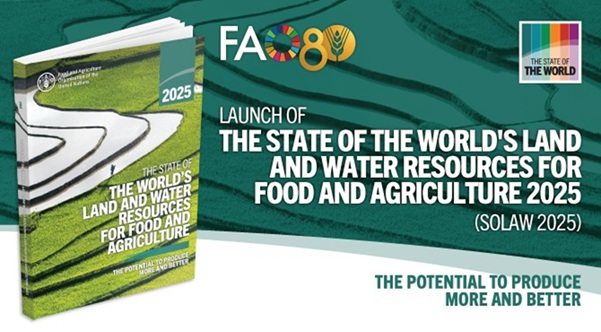
The Food and Agriculture Organization (FAO) of the United Nations releases the SOLAW Report every two years. SOLAW 2025 focuses on unlocking the hidden and untapped potential of land, soil, and water resources to ensure:

  • Higher agricultural productivity,
  • Food security,
  • Climate resilience, and
  • Conservation of ecosystem services.

The report highlights increasing pressure on land–water systems, degradation, pollution, and worsening supply–demand imbalances.
Key Highlights of the Report

1. Rising Global Demand & Stress on Agriculture

  • By 2050, global population growth will require: 50% more food, feed, and fibre compared to 2012.
  • Freshwater demand is expected to rise by 25%.

Why it matters:

Major stress on agricultural resources is emerging from population growth, rapid urbanization, and climate change.

2. Little to No Scope for Agricultural Land Expansion

The report clearly states that:

  • Agricultural land expansion is practically over globally.
  • The only viable option now is to increase production from limited land and water resources.

3. Land & Water Degradation – A Serious Global Threat

Land Degradation

  • More than 60% of global degradation directly affects agricultural land.
  • Over-exploitation reduces soil fertility, weakens carbon storage, and destabilizes ecosystems.

Water Resource Crisis

  • Agriculture uses over 70% of global freshwater.
  • Overdependence on irrigation and declining groundwater levels intensify stress.

Intensive Agriculture Impacts

  • Excessive fertilizers, pesticides, monocropping → Soil pollution, biodiversity loss, and water contamination.

Solutions & Opportunities: Sustainable Agricultural Intensification

SOLAW 2025 explains productivity enhancement across three pillars:

A. Enhancing Land Productivity

1. Reducing the Yield Gap

  • Narrowing the gap between actual and potential yields through:
    • Improved seeds
    • Better fertilizer management
    • Modern irrigation

2. Climate-resilient Crop Varieties

  • Drought-tolerant, heat-resistant, and saline-resistant crops suited to local climates.

3. Sustainable Crop Management

  • Integrated Nutrient Management (INM)
  • Integrated Pest Management (IPM)
  • Nutrient recycling

B. Improving Productivity in Rainfed Agriculture

Rainfed farming covers a major share of global cropland but remains low in productivity.

Key Strategies

  1. Conservation Agriculture
    • Minimum tillage
    • Crop residue retention
    • Crop rotation
  2. Drought-resistant technologies
    • Soil moisture conservation
    • Micro-irrigation
    • Crop diversification
  3. Community-based innovation
    • Example: Gorakhpur, India “Effective Microorganism Management” significantly increased farmers’ incomes.

C. Integrated Production Systems

FAO promotes multifunctional agricultural systems, including:

  • Agroforestry
  • Rotational grazing
  • Improved forage crops
  • Rice–fish integrated farming

Benefits:

  • Diversified income
  • Improved land productivity
  • Reduced climate risks

Institutional Capacity Strengthening

1. Agricultural Extension Services

Modern extension systems provide localized, practical solutions to farmers.

2. FAO’s Farmer Field Schools (FFS)

  • Hands-on training through field experiments.
  • Example – Andhra Pradesh:
    • FFS facilitated Community-managed Natural Farming, improving soil health and farmer livelihoods.

Global Significance of SOLAW 2025

1. SDG Alignment

Supports:

  • SDG 2 – Zero Hunger
  • SDG 6 – Clean Water & Sanitation
  • SDG 15 – Life on Land

2. Climate Resilience

  • Sustainable land–water management reduces climate-induced agricultural risks.

3. Geo-political Relevance

Land and water resources are emerging as major points of global conflict. Better governance ensures stability.

4. Economic Impact

  • Land degradation may cause up to 10% loss in global GDP.
  • Water scarcity threatens international agricultural trade.

Policy Recommendations (as per SOLAW 2025)

1. Restoring Land & Soil Health

  • Enhancing soil organic carbon
  • Promoting regenerative agriculture
  • Combating land degradation

2. Water Management Reforms

  • Improving Water-use Efficiency (WUE)
  • Expanding micro-irrigation (drip, sprinkler)
  • Groundwater recharge strategies

3. Reducing Chemical Usage

  • Promoting organic alternatives
  • Scaling up IPM and INM

4. Crop Diversification & Climate-resilient Crops

  • Millets, pulses, legumes
  • Multi-tier and diversified farming systems

5. Farmer Capacity Development

  • Expanding the Farmer Field School model
  • Creating digital knowledge platforms for farmers

Centre to Launch 100-Day Bal Vivah Mukt Bharat National Awareness Campaign

The Ministry of Women and Child Development (MoWCD) will formally launch a 100-day intensive awareness campaign on 4 December 2025 from Vigyan Bhawan, New Delhi. This campaign marks one year of the national initiative “Bal Vivah Mukt Bharat (Child Marriage Free India)”, which was initially launched on 27 November 2024.

Campaign Duration, Nature & Objectives

Duration

  • 27 November 2025 – 8 March 2026 (100 days) (Formal national launch event on 4 December 2025.)

Key Objectives

  • To enhance public awareness on the ill-effects of child marriage.
  • To mobilize citizens, institutions and community leaders across India.
  • To encourage local self-governance bodies (gram panchayats/wards) to declare themselves “Child Marriage Free Zones.”

Three-Phase Strategic Action Plan

1. Phase I — Education-Focused Activities

  • Awareness programmes in schools, colleges and universities.
  • Debates, essay competitions, dialogue sessions, and oath-taking ceremonies.
  • Aimed at sensitizing adolescents and academic communities.

2. Phase II — Engaging Social & Religious Leadership

  • Involvement of religious leaders, community influencers, and marriage service providers.
  • Dissemination of messages on child rights, protection, and legal awareness.

3. Phase III — Strengthening Local Governance Units

  • Panchayats and municipal wards will be encouraged to pass formal resolutions declaring their areas child-marriage-free.
  • Effort to create localised accountability and ownership.

Launch Highlights

  • National Pledge to End Child Marriage
  • A special film showcasing change stories from across India
  • Experience-sharing sessions by frontline workers

Background and Relevance of the Initiative

  • The national “Bal Vivah Mukt Bharat” campaign was launched on 27 November 2024, aiming to create a coordinated nationwide movement against child marriage.
  • In 2024–25, the initiative laid its groundwork; the 100-day campaign marks its first anniversary and provides momentum to scale it from local to national levels.

Legal Framework: Prohibition of Child Marriage Act (PCMA), 2006

The PCMA 2006 is the primary legislation to prevent child marriage and protect minors.

Minimum Age of Marriage

  • Girls: 18 years
  • Boys: 21 years

Validity of Child Marriage

  • Child marriages are voidable, meaning they can be annulled when the child becomes an adult.
  • A boy (after 21) or girl (after 18) can petition the court to nullify the marriage.

Major Provisions

1. Penalties

For anyone involved in conducting or promoting a child marriage (parents, priests, facilitators etc.):

  • Imprisonment up to 2 years
  • Fine up to 1 lakh

2. Preventive Measures

  • Appointment of Child Marriage Prohibition Officers (CMPOs).
  • CMPOs are empowered to intervene, gather information, and coordinate with police and district authorities.

3. Protection of Minors

  • Additional punishment for abuse, exploitation or cruelty in cases related to child marriage.

Other Highlights

  • Sections 11 and 12 outline procedures for prevention and penal action.
  • Works in alignment with the IPC, Child Labour Act, 1986, and Hindu Marriage Act, 1955.

Expected Impact and Benefits

  1. Improved Adolescent Education: School-based activities can dispel myths and improve understanding among parents and children.
  2. Community Ownership: Involvement of religious and social influencers can reshape societal attitudes.
  3. Strong Local Commitment: Declarations of “child-marriage-free zones” by panchayats reflect grassroots commitment.
  4. Better Reporting and Monitoring:  Large-scale campaigns improve case reporting, vigilance, and data availability.

Challenges and Limitations

  • Deep-rooted socio-economic causes (poverty, gender discrimination, limited educational access) cannot be fully addressed in 100 days.
  • Weak enforcement and social acceptance often prevent cases from coming to light.
  • Sustainability issues — Campaigns need integration with economic support, scholarships, and child care services to ensure long-term impact.

Policy Recommendations

  1. Long-Term Integrated Strategy: Focusing on adolescent education, economic empowerment, and social safety nets.
  2. Targeted Interventions: Special programmes for high-risk districts, including:
    • Conditional cash transfers
    • Adolescent-friendly health services
  3. Community-Led Monitoring: Village committees and women’s groups should play a role in surveillance and early-warning.
  4. Inter-Departmental Convergence: Joint action among departments of education, health, WCD, labour, and local governments.
  5. Data-Driven Governance: Regular surveys, improved reporting, and outcome evaluation to measure campaign effectiveness.
« »
  • SUN
  • MON
  • TUE
  • WED
  • THU
  • FRI
  • SAT
Have any Query?

Our support team will be happy to assist you!

OR