- UPSC Exam
- State PCS
- One Day Exam
- Current Affairs
- PT Quiz
- Downlaods
- About Coaching
- Blog
- Videos

Recently, the Controller General of Accounts (CGA) launched two new initiatives in New Delhi—the Government Bank Dashboard and the Government Bank Manual.
Recent analysis from the Global Burden of Disease Study revealed that India and China have the highest burden of metabolic diseases in the Asia-Pacific region. In India, in particular, the incidence of diabetes, hypertension, obesity, and cholesterol-related diseases is rapidly increasing, posing a serious public health challenge.
According to the study, India has the highest overall burden of metabolic diseases in the Asia-Pacific region.
Experts believe that an integrated public health strategy is essential to address metabolic diseases in India.
Metabolic diseases are rapidly becoming a growing health challenge in India. Problems like diabetes, hypertension, and obesity not only put pressure on the health system but also impact the country's economic productivity. Therefore, the increasing burden of these diseases can be controlled only through healthy lifestyle, awareness, regular checkups and effective policy interventions.
Recent medical studies are exploring new treatment options for Cushing Syndrome, including :
These developments are expected to make the treatment of this disease more effective in the future.
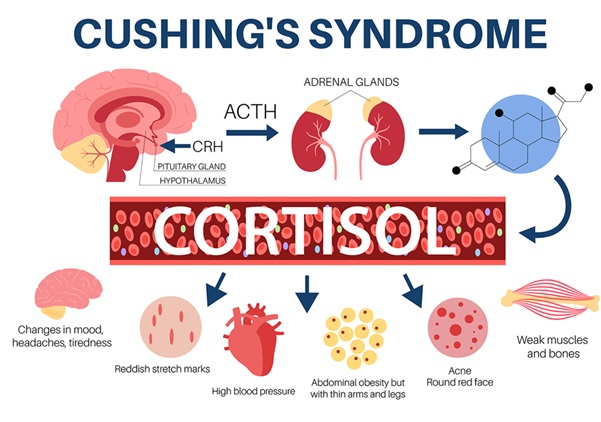
Cushing Syndrome is a hormonal disorder that occurs when the body is exposed to high levels of the hormone cortisol for a long period of time.
Cortisol is often called the “stress hormone” because it helps the body respond to stress.
Cortisol is produced by the adrenal glands, which are small glands located above the kidneys. This hormone regulates several important functions in the body, such as:
When the body produces too much cortisol, it can lead to several physical and psychological health problems, a condition known as Cushing Syndrome.
There are two main causes of Cushing Syndrome:
The most common cause is the long-term use of corticosteroid (steroid) medications. These drugs are commonly prescribed for conditions such as:
If these medicines are taken in high doses or for a long time, they can increase cortisol levels in the body.
In some cases, the body itself produces too much cortisol. The main causes include:
Most of these tumors are benign (non-cancerous).
The symptoms of Cushing Syndrome usually develop gradually and may resemble other diseases.
In naturally occurring cases of Cushing Syndrome:
However, when caused by steroid medications, it can occur at any age.
Doctors use several tests to confirm Cushing Syndrome, including:
Treatment for Cushing Syndrome depends on the underlying cause, and the main goal is to reduce cortisol levels to normal.
1. Adjustment of medications
If steroid medications are the cause, doctors gradually reduce the dosage under medical supervision.
2. Surgery
If a tumor is producing excess cortisol, surgery is usually the first treatment option to remove the tumor.
3. Radiation therapy
If surgery is not possible or the tumor cannot be completely removed, radiation therapy may be used.
4. Medications
Certain drugs are prescribed to reduce cortisol production in the body.
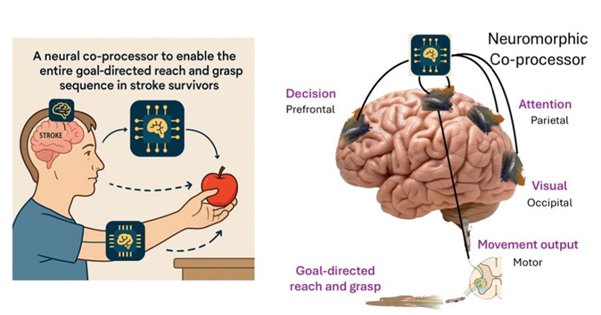
The Moonshot Project is an advanced research initiative aimed at developing smart co-processors that can interact directly with the human brain.
These devices will be able to read brain activity, interpret it, and send signals back to the brain when necessary.
A Brain Co-Processor is an emerging neurotechnology designed to communicate directly with the brain.
Key features :
This system will function as an AI-driven closed-loop device, continuously receiving signals from the brain, processing them, and delivering appropriate responses.
This initiative evolved from a pilot project started under the Brain, Computation and Data Science Initiative at the Indian Institute of Science (IISc).
Key points :
The Moonshot Project aims to achieve the following goals:
One of the primary goals of this project is to assist stroke survivors.
After a stroke, certain brain regions responsible for controlling body movements can become damaged. As a result, patients may struggle with activities such as walking, lifting their hands, or gripping objects.
Brain co-processors developed under this project could:
The Moonshot Project is highly significant for several reasons:
Recently, it was observed that GPS spoofing is creating a digital fog of war for aircraft flying near the United Arab Emirates and Iran.
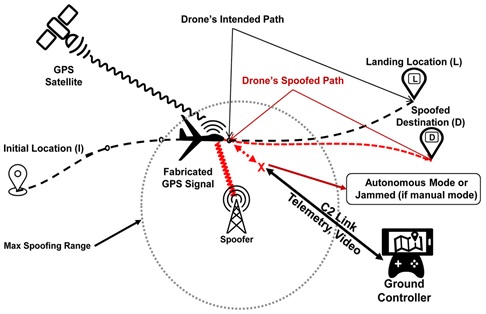
As air and maritime traffic grows, the threat of GPS spoofing is also increasing. This is not just a technical problem, but a serious challenge to national and international security. This threat can only be minimized by adopting anti-spoofing technology and secure navigation protocols.
Oleum is a powerful chemical solution formed by dissolving sulfur trioxide (SO₃) in sulfuric acid (H₂SO₄). It is commonly known as “fuming sulfuric acid.”
Oleum is mainly produced through the Contact Process, the primary industrial method used to manufacture sulfuric acid.
Main steps of the process :
Because of its strong dehydrating ability , oleum can remove water from many organic compounds.
Oleum is considered a highly hazardous chemical.
Major risks include :
Due to these dangers, strict safety standards and protective equipment are required for the storage, handling, and transportation of oleum.
| Prelims: (Polity & Governance + CA) Mains: (GS 2 – Health & Governance; GS 2 – Fundamental Rights; GS 3 – Science & Technology in Public Health) |
The Supreme Court of India has agreed to examine whether the Nucleic Acid Test (NAT) should be made compulsory across blood banks to ensure safer blood transfusion practices.
The matter arose from a petition filed by an NGO arguing that access to safe blood forms part of the fundamental right to life under Article 21 of the Constitution. The Court has sought additional data on cost-effectiveness, feasibility, and State-level implementation before taking a final decision.
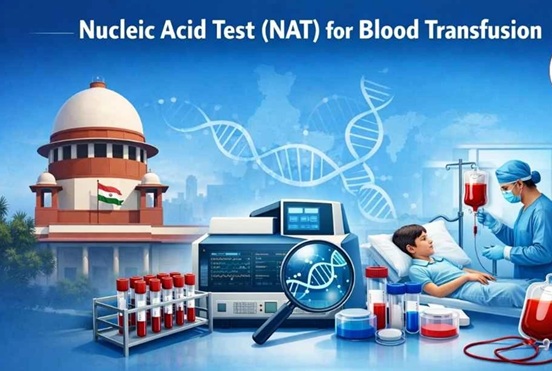
The petition contends that:
The Bench has directed the petitioner to file an affidavit detailing:
This indicates a data-driven judicial approach balancing public health imperatives with fiscal feasibility.
NAT is an advanced molecular diagnostic technique that detects the genetic material (DNA or RNA) of viruses in donated blood.
Currently, most Indian blood banks rely on:
While ELISA is cost-effective, it may fail to detect infections during early stages. NAT significantly reduces this risk, thereby enhancing blood safety.
The issue has gained urgency following reported cases of children contracting HIV allegedly due to contaminated blood transfusions in States such as Madhya Pradesh and Jharkhand.
Thalassemia is an inherited blood disorder in which the body cannot produce adequate haemoglobin.
For such patients, even a small lapse in screening can result in life-threatening infections.
These incidents have been described as “preventable tragedies,” renewing debate over the adequacy of existing blood safety mechanisms.
Article 21 guarantees the right to life and personal liberty. Over the years, the Supreme Court has expanded its scope to include:
The petitioner argues that safe blood transfusion falls within this constitutional protection.
The Court’s willingness to examine the matter signals recognition of the intersection between public health governance and fundamental rights.
Blood safety in India is regulated under:
Currently, mandatory screening includes tests for:
NAT is not uniformly mandated nationwide.
During hearings, the Court raised concerns regarding:
Nationwide implementation would require:
The fiscal implications make the issue both a health governance and economic policy question.
1. Strengthening Blood Safety Standards
Mandatory NAT could substantially reduce the risk of transfusion-transmitted infections.
2. Human Rights Perspective
Reinforces the constitutional commitment to safeguarding life and dignity.
3. Health System Modernisation
Encourages adoption of advanced diagnostic technologies in public health infrastructure.
4. Vulnerable Population Protection
Particularly critical for thalassemia patients, trauma victims, and surgical patients.
5. Fiscal-Health Balance
Highlights the challenge of reconciling universal health standards with fiscal constraints.
FAQs1. What is the primary advantage of NAT over ELISA tests ? NAT detects viral genetic material and significantly reduces the infection detection window period. 2. Why is the issue linked to Article 21 ? Safe blood transfusion is argued to be part of the right to life and health under Article 21. 3. Is NAT currently mandatory in India ? No. It is implemented selectively in some hospitals but not mandated nationwide. 4. Why are thalassemia patients particularly vulnerable ? They require frequent transfusions, increasing cumulative risk of infection from contaminated blood. 5. What are the main obstacles to nationwide implementation ? High costs, infrastructure gaps, need for trained personnel, and fiscal constraints of States. |
| Prelims: (Social Issues + CA) Mains: (GS 2 – Health & Social Sector Policies; GS 3 – Human Resource Development & Non-Communicable Diseases) |
India has ranked second globally in the number of children living with overweight and obesity, according to the World Obesity Atlas 2026 released by the World Obesity Federation.
The report highlights that rising childhood obesity could significantly increase the burden of non-communicable diseases (NCDs) in India in the coming decades.
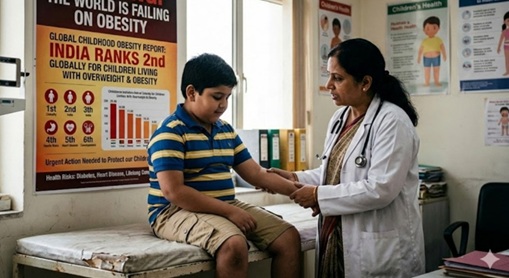
Childhood obesity has emerged as a major public health challenge worldwide over the past two decades.
Key global trends include:
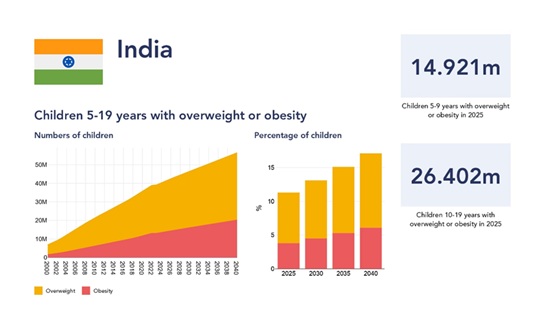
The countries with the highest burden include:
According to projections by the World Obesity Federation, around 507 million children worldwide may be overweight or obese by 2040, indicating the need for urgent preventive strategies.
These patterns show that childhood obesity is no longer confined to high-income countries; it is rising rapidly in developing and middle-income economies due to lifestyle changes and urbanisation.
India now ranks second globally after China in terms of the number of children living with overweight and obesity.
Key Statistics for India
Age-wise estimates indicate:
Despite ranking second globally, experts note that India’s large population size significantly contributes to the high numbers. Within the World Health Organization, India has the highest number of children and adolescents affected by obesity.
The report presents alarming projections for the period 2025–2040.
Associated health complications are also expected to rise:
These projections suggest that childhood obesity could dramatically expand the future burden of NCDs in India.
Childhood obesity exposes young individuals to diseases traditionally associated with adulthood.
Major health risks include:
The report estimates that by 2040:
Another concern is that childhood obesity often persists into adulthood, increasing long-term health risks and healthcare costs. Thus, early intervention is essential to prevent a large-scale future health crisis.
The rise of obesity among children is driven by multiple lifestyle and socio-economic factors.
Approximately 74% of adolescents aged 11–17 years fail to meet recommended levels of physical activity.
Children increasingly consume:
These dietary changes contribute to higher caloric intake and weight gain.
Only 35.5% of school-age children receive school meals, indicating gaps in nutrition programmes.
About 32.6% of infants experience sub-optimal breastfeeding, which can increase obesity risk later in life.
Maternal health conditions also influence childhood obesity risk:
These factors highlight the role of family health and early childhood nutrition in shaping long-term weight outcomes.
The World Obesity Federation has emphasised the need for comprehensive policy interventions.
Key recommendations include:
1. Improving School Food Environments
Ensuring access to nutritious meals and reducing junk food availability in schools.
2. Regulating Food Marketing to Children
Restricting advertisements for unhealthy foods targeting children.
3. Taxation on Sugary Beverages
Imposing taxes to discourage excessive consumption of sugar-sweetened drinks.
4. Promoting Physical Activity
Encouraging sports and exercise through school curricula and community programmes.
5. Strengthening Early Nutrition Policies
Promoting breastfeeding and improving maternal nutrition programmes.
6. Integrating Obesity Prevention in Primary Healthcare
Early screening and counselling for children at risk.
1. Rising Non-Communicable Disease Burden
Childhood obesity could accelerate India’s growing NCD crisis.
2. Impact on Human Capital
Poor health during childhood affects productivity and long-term economic growth.
3. Health System Pressure
Increasing chronic diseases may strain healthcare infrastructure and resources.
4. Socio-economic Implications
Obesity is linked with lifestyle changes associated with urbanisation and economic transitions.
5. Importance of Preventive Healthcare
Addressing obesity early can reduce long-term health costs and improve quality of life.
FAQs1. What is childhood obesity ? Childhood obesity refers to excessive body fat accumulation in children, typically measured using Body Mass Index (BMI) adjusted for age and sex. 2. Which report highlighted India’s global ranking in childhood obesity ? The World Obesity Atlas 2026 released by the World Obesity Federation. 3. Why is childhood obesity a serious concern ? It increases the risk of chronic diseases such as diabetes, hypertension, and cardiovascular disorders later in life. 4. What are the main causes of childhood obesity in India ? Low physical activity, unhealthy diets, limited nutrition programmes, poor breastfeeding practices, and maternal health conditions. 5. What measures can help reduce childhood obesity ? Healthier school food policies, promotion of physical activity, regulation of junk food marketing, taxation of sugary drinks, and early health screening. |
| Prelims: (International Relations + CA) Mains: (GS 2 – India and Bilateral Relations; GS 3 – Energy Security, Nuclear Power) |
India and Canada have signed a long-term uranium supply agreement under which the Canadian company Cameco will supply about 22 million pounds (around 10,000 tonnes) of uranium to India between 2027 and 2035.
The deal, valued at about 2.6 billion Canadian dollars, aims to ensure fuel supply for India’s nuclear reactors and support the country’s ambitious plan to expand nuclear energy capacity.
This is India’s second major uranium supply agreement within a month, following a similar arrangement with Kazatomprom of Kazakhstan.
These agreements are crucial for India’s goal of expanding nuclear power capacity significantly by 2047 as part of its clean energy transition.
India’s nuclear energy programme has long faced constraints due to limited domestic uranium availability. While the country possesses uranium deposits, their low ore quality and limited extraction capacity make imports necessary.
Historically, India faced restrictions in nuclear trade due to international sanctions after its nuclear tests in 1974 and 1998. However, global cooperation improved significantly after the Nuclear Suppliers Group granted India a waiver in 2008, enabling civilian nuclear commerce with other countries.
Since then, India has expanded uranium supply partnerships with several countries to ensure stable fuel availability for nuclear power generation.
Although India has domestic uranium deposits, their uranium concentration ranges between only 0.02% and 0.45%, which is significantly lower than the global average of 1–2%.
In contrast, some mines in Canada contain uranium concentrations as high as 15%, making extraction far more efficient.
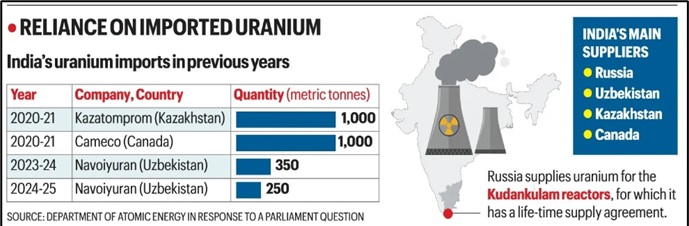
India currently consumes about 1,500–2,000 tonnes of uranium annually, with demand estimated at 1,884 tonnes in 2025.
With nuclear expansion plans, annual uranium demand may increase to about 5,400 tonnes in the coming decades.
Even with increased mining, domestic production may meet only about 30% of total demand, making imports essential.
India’s uranium mining operations are primarily located in :
Currently, seven uranium mines are operational in the country.
Additional uranium deposits have been identified in:
India’s total uranium resources are estimated at about 4.3 lakh tonnes of uranium ore.
The state-owned Uranium Corporation of India Limited manages several mines, with over 80,000 tonnes of reserves allocated to it.
Nearly 40% of these reserves have already been extracted, prompting ongoing exploration across 15 states.
The new uranium agreement with Cameco aims to diversify India’s nuclear fuel supply sources and strengthen energy security.
India and Canada have a long history of nuclear cooperation dating back to the 1950s.
One notable collaboration was the CIRUS Reactor, which contributed to India’s early nuclear research.
Canada also assisted in establishing reactors at the Rajasthan Atomic Power Station in the 1960s.
Despite diplomatic tensions in recent years, the uranium supply deal indicates renewed cooperation in the energy sector.
India currently imports uranium from several countries, including:
Russia also provides long-term fuel supply for reactors at the Kudankulam Nuclear Power Plant.
India may also expand cooperation with Australia and the United States in the future.
Additionally, Indian companies are exploring overseas uranium mining opportunities to strengthen long-term supply security.
India’s nuclear energy strategy is based on a three-stage nuclear programme envisioned by Homi J. Bhabha.
The programme aims to eventually utilise India’s large thorium reserves for energy generation.
The first stage involves Pressurised Heavy Water Reactors (PHWRs) that use uranium fuel and produce plutonium as a by-product.
These reactors form the backbone of India’s current nuclear power capacity.
The second stage utilises plutonium-based fast breeder reactors (FBRs) to generate more fissile material than they consume.
India’s Prototype Fast Breeder Reactor (PFBR) at Kalpakkam Nuclear Complex represents a key step toward this stage.
The final stage aims to deploy reactors that use thorium as the primary fuel source.
India possesses some of the world’s largest thorium reserves, making this stage vital for long-term energy independence.
However, thorium reactor technology is still under development and remains a long-term goal.
1. Strengthening Energy Security
Long-term uranium contracts ensure stable fuel supply for nuclear reactors.
2. Supporting Clean Energy Transition
Nuclear energy produces low carbon emissions, helping India achieve climate commitments.
3. Enabling Nuclear Capacity Expansion
Reliable fuel supply supports India’s goal of expanding nuclear capacity from about 9 GW today to nearly 100 GW by 2047.
4. Diversification of Energy Imports
Multiple supply sources reduce dependence on any single country.
5. Boosting Strategic Partnerships
The agreement strengthens India–Canada energy cooperation and enhances diplomatic engagement.
FAQs1. Why does India import uranium despite having domestic reserves? India’s uranium ore has relatively low concentration, making extraction expensive and insufficient to meet growing demand. 2. Which Canadian company signed the uranium supply agreement with India? The agreement was signed with Cameco, one of the world’s largest uranium producers. 3. What is India’s three-stage nuclear power programme? It is a long-term strategy involving uranium-based reactors, plutonium-based fast breeder reactors, and thorium-fuelled reactors. 4. Why is thorium important for India’s nuclear energy future? India has large thorium reserves, which could provide long-term energy security once suitable reactor technologies are developed. 5. How will the uranium supply deal benefit India? It will ensure stable nuclear fuel supply, support nuclear power expansion, enhance energy security, and strengthen international partnerships. |
| Prelims: (International Relations + CA) Mains: (GS 2 – International Relations; GS 2 – Constitutional & Political Systems of Other Countries; GS 3 – Internal Security & Geopolitics) |
The assassination of Ali Khamenei, Iran’s 86-year-old Supreme Leader, in a joint US–Israeli attack has marked the end of a defining chapter in the Islamic Republic’s post-1979 leadership.
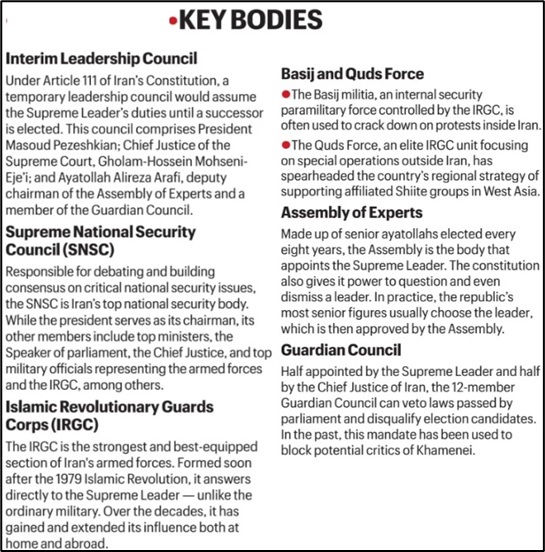
Following his death, the constitutional mechanism for succession was activated. The Assembly of Experts has begun deliberations to appoint the next Supreme Leader.
In the interim, a three-member Interim Leadership Council has assumed responsibilities, as provided under Iran’s Constitution — highlighting institutional continuity within the Islamic Republic.
The intertwining of religion and politics in Shia-majority Iran predates the 1979 Islamic Revolution.
Key historical moments include:
Shia clerics often adopted anti-monarchist positions and played central roles in political mobilisation.
During the Shah’s rule, public dissent was closely monitored by the secret police (SAVAK). Mosques functioned as relatively safe spaces (bast) for mobilisation and political expression. Friday sermons became platforms for religio-political messaging, enabling clergy-led resistance.
The ideological leadership of Ruhollah Khomeini, even while in exile in France, shaped the revolutionary movement and the Islamic Republic that followed.
Although workers, leftist groups, and nationalists participated in anti-Shah protests, the clerical establishment consolidated power due to its cohesive ideological direction.
Khomeini advanced the doctrine of velayat-e-faqih (rule of the Islamic jurist), arguing that a senior cleric should exercise ultimate authority in governance.
This principle became the constitutional foundation of the Islamic Republic.
The 1979 Constitution blended clerical authority with republican institutions such as:
However, the Supreme Leader retained overarching control over:
After Khomeini’s death in 1989, constitutional amendments abolished the Prime Minister’s post but preserved clerical supremacy.
Khamenei succeeded Khomeini in 1989. His selection was controversial, as Ayatollah Montazeri had earlier been designated successor. Khamenei had served as President (1981–1989), including during the Iran–Iraq War — a period that shaped his security-oriented worldview.
As Supreme Leader, Khamenei:
While internationally viewed as a hardliner, he approved the 2015 Joint Comprehensive Plan of Action (JCPOA), reflecting pragmatic engagement when necessary.
Domestically, his tenure witnessed:
The Islamic Revolutionary Guard Corps (IRGC) emerged as a central pillar of regime stability.
Beyond domestic security, it expanded Iran’s regional influence by supporting groups such as:
The IRGC became not only a military actor but also an economic and political force.
Despite clerical supremacy, Iran has regularly conducted elections for:
Politics has been shaped by rivalry between reformists and hardliners.
Khamenei often balanced factions while ensuring ultimate ideological control. His fatwa against nuclear weapons and conditional engagement with Western powers illustrated calibrated pragmatism.
1. Institutional Continuity
The swift activation of constitutional mechanisms underscores regime resilience despite leadership shock.
2. Power Realignment Risks
Succession could reshape factional balances among clerics, political elites, and the IRGC.
3. Regional Stability Concerns
Iran plays a pivotal role in West Asian geopolitics. Leadership transition amid external conflict increases uncertainty.
4. Nuclear Policy Implications
The new Supreme Leader’s stance may influence the trajectory of nuclear negotiations and regional diplomacy.
5. State–Society Tensions
Years of sanctions, inflation, and political restrictions have widened the gap between public expectations and governance performance.
FAQs1. What is the role of the Supreme Leader in Iran ? The Supreme Leader holds ultimate authority over political, military, and religious affairs, surpassing elected institutions. 2. Who appoints the Supreme Leader ? The Assembly of Experts selects and oversees the Supreme Leader. 3. What is velayat-e-faqih ? It is the doctrine of rule by an Islamic jurist, forming the constitutional basis of Iran’s political system. 4. What role does the IRGC play in Iran’s power structure ? The IRGC safeguards the revolution, influences regional policy, and wields significant political and economic power. 5. How could this leadership transition affect global politics ? It may influence nuclear negotiations, regional conflicts, sanctions regimes, and energy security dynamics. |
| Prelims: (International Relations + CA) Mains: (GS 2 – International Relations; GS 3 – Energy Security; GS 3 – Infrastructure & Economic Stability) |
Amid disruptions in oil flows through the Strait of Hormuz due to escalating West Asia conflict, the Indian government and public sector refiners are considering increasing imports of Russian crude to maintain supply continuity.
India had recently reduced purchases of Russian oil during trade negotiations with the United States. However, with Hormuz shipments effectively suspended, abundant Russian supplies in Asian waters could help offset potential shortages.
India is the world’s third-largest crude oil consumer and imports over 88% of its oil requirements.
India also imports a significant portion of its natural gas from West Asia, much of which transits Hormuz.
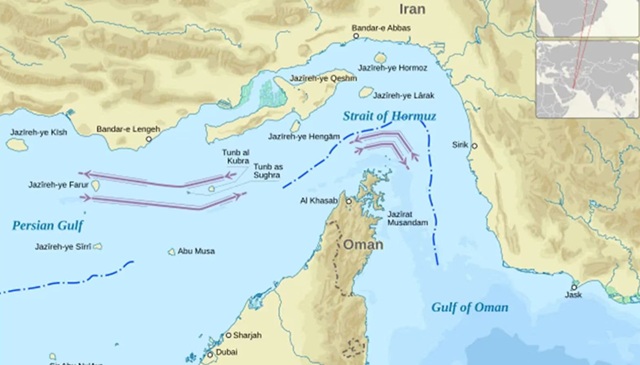
The Strait of Hormuz is a narrow maritime corridor between Iran and Oman connecting the Persian Gulf to the Arabian Sea.
Following statements from the Islamic Revolutionary Guard Corps (IRGC) regarding closure threats, traders and shipping companies suspended movement to avoid insurance and conflict risks. This has turned the Strait into a geopolitical flashpoint with global economic implications.
This earlier reduction provides flexibility to scale up Russian imports if Middle Eastern supply disruptions persist.
Indian refiners currently hold:
These buffers provide short-term insulation against supply shocks.
India can accelerate spot purchases from:
Russian crude in floating storage offers logistical convenience and quicker supply turnaround.
While crude oil has buffers, liquefied petroleum gas (LPG) and liquefied natural gas (LNG) pose greater risks.
A prolonged disruption could therefore affect cooking gas supply and industrial gas consumption more severely than crude oil.
1. Energy Security Stress Test
The disruption underscores India’s heavy reliance on West Asian energy corridors.
2. Strategic Diversification Imperative
Reinforces the need for diversified sourcing — geographically and politically.
3. Geopolitical Balancing
Increasing Russian imports could complicate India’s diplomatic balancing between Western partners and Moscow.
4. Inflationary Risks
Global oil price spikes could fuel domestic inflation and widen the current account deficit.
5. Supply Chain Realignment
Encourages long-term rethinking of energy trade routes and procurement strategies.
FAQs1. Why is the Strait of Hormuz critical for India ? Nearly half of India’s crude imports and a significant share of LNG shipments transit through this chokepoint. 2. Why is India considering higher Russian oil imports ? Russian crude is available in significant volumes and offers an alternative amid Hormuz disruptions. 3. Does India have sufficient oil reserves ? India maintains over 10 days of crude inventory and additional strategic reserves, offering short-term protection. 4. Why are LPG and LNG more vulnerable than crude oil ? India has limited strategic reserves for LPG and LNG, and most supplies transit through Hormuz. 5. What is the long-term solution to such disruptions ? Diversifying energy sources, expanding reserves, strengthening maritime security, and accelerating renewable energy adoption. |
In 1940, American scientists Martin Kamen and Samuel Ruben discovered a special radioactive isotope of carbon known as Carbon-14 (C-14).
This discovery revolutionized archaeology and history, as it made it possible to determine the age of ancient artifacts and civilizations with scientific accuracy.
Carbon has three main isotopes:
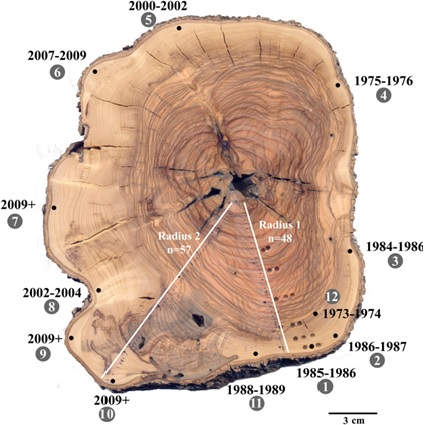
Radiocarbon dating is a scientific method used to determine the age of carbon-based materials that come from living organisms.
Since carbon-14 decays at a constant and predictable rate, this method provides reliable age estimates for organic materials.
Radiocarbon dating is widely used in several scientific fields:
| Prelims: (Polity & Governance + CA) Mains: (GS 2 – Government Policies & Interventions in Education; GS 3 – Sports Development & Human Resource Development; GS 1 – Social Empowerment & Youth Development) |
The Union Minister of State for Education & Development of North Eastern Region distributed footballs at PM SHRI Kendriya Vidyalaya, Dakshin Dinajpur, West Bengal, under the Football for Schools (F4S) Programme.
The initiative is part of a global campaign aimed at integrating football into school education systems to promote life skills, gender inclusion, and holistic child development.
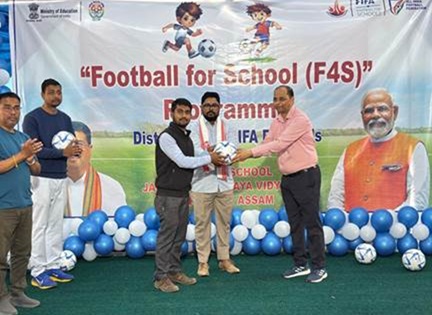
Globally, sports are increasingly recognised not merely as recreational activities but as tools for:
The Fédération Internationale de Football Association (FIFA), in collaboration with UNESCO, launched the Football for Schools programme to leverage football as a pedagogical tool.
The initiative aligns sports with educational objectives rather than treating them as extracurricular add-ons.
The programme also contributes to the achievement of the United Nations Sustainable Development Goals (SDGs).
The F4S Programme is aligned with major international policy frameworks:
These frameworks emphasise inclusive education, physical well-being, and equitable access to sports.
In India, the programme is implemented by:
The integration of F4S into PM SHRI schools strengthens India’s push towards experiential learning and holistic development under the National Education Policy (NEP) 2020 framework.
Football is used as a tool to inculcate:
Unlike traditional sports programmes focused on talent scouting, F4S integrates football into the educational curriculum as a medium of learning.
Distribution of footballs and sports materials ensures access even in resource-constrained schools.
The programme reflects cooperative federalism and multi-stakeholder governance involving:
The F4S Programme signals a shift from medal-centric to mass-participation sports policy.
FAQs1. What is the primary objective of the Football for Schools Programme ? It aims to use football as a tool for education, empowerment, and life skills development among school children. 2. Which organisations jointly run the F4S Programme ? It is implemented by FIFA in collaboration with UNESCO. 3. How is the programme implemented in India ? It is executed by the Department of School Education and Literacy with support from AIFF and SAI. 4. How does F4S contribute to Sustainable Development Goals ? It promotes quality education, gender equality, good health, and reduced inequalities. 5. Why is sports integration important in school education ? Sports enhance physical fitness, teamwork, discipline, and emotional intelligence, contributing to holistic development. |
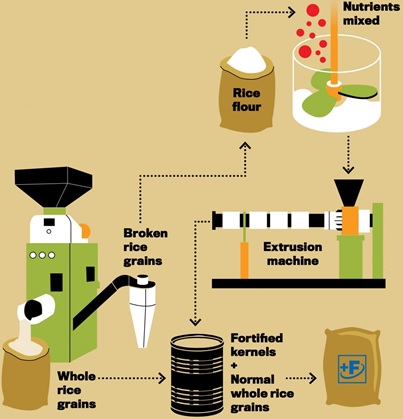
India faces a high burden of anemia and micronutrient deficiencies, particularly among women and children. To address this issue, the government introduced rice fortification as a large-scale nutritional intervention.
Food fortification is the deliberate addition of essential micronutrients (vitamins and minerals) to food to improve its nutritional quality.
Fortification in India is regulated by the Food Safety and Standards Authority of India under the Food Safety and Standards (Fortification of Foods) Regulations, 2018.
The government commissioned a study to assess the shelf life of fortified rice under real storage conditions across different agro-climatic regions.
This highlights the difficulty of implementing sensitive nutritional interventions within a massive public distribution system.
Activists who challenged the scheme in the Supreme Court welcomed the suspension.
This reflects a policy debate between universal interventions and targeted strategies.
According to the National Family Health Survey (NFHS), anemia rates in India remain high. Rice fortification was seen as a scalable solution through the PDS network. However, the recent findings highlight important lessons.
The government has clarified that this is a temporary suspension, not a permanent termination. Future policy may involve improved delivery mechanisms to ensure better nutrient retention and effectiveness.
Recently, the Indian Computer Emergency Response Team (CERT-In) and the Satcom Industry Association of India (SIA-India) jointly released comprehensive cybersecurity guidelines for India’s emerging space ecosystem.
These guidelines aim to secure satellite communications, ground stations, data networks, and space-based services from growing cyber threats.
CERT-In is the national nodal agency of the Government of India responsible for responding to cybersecurity incidents.
To secure Indian cyberspace and ensure coordinated responses to cyber incidents.
CERT-In provides services to government entities, private organizations, public sector units, and even individual users. It operates a 24×7 incident response help desk and collaborates with international cybersecurity agencies.
To ensure effective functioning, a review committee oversees CERT-In’s operations. It includes representatives from:
The committee periodically evaluates performance and provides strategic direction.
The Satcom Industry Association of India (SIA-India) is a non-profit industry body representing India’s space and satellite sector.
India’s space sector is rapidly expanding through privatization and commercial participation. Satellite communication, remote sensing, navigation systems, and defense technologies are increasingly exposed to cyber risks.
The guidelines issued by CERT-In and SIA-India provide a structured framework to mitigate these risks and strengthen cyber resilience.
This initiative supports India’s broader strategic vision under programs like Digital India and Atmanirbhar Bharat, reinforcing technological sovereignty and cyber resilience in the space domain.

Our support team will be happy to assist you!

 Contact Us
  New Batch : 9555124124/ 7428085757
  Tech Support : 9555124124/ 7428085757