Prelims: Health, Government Schemes, SDGs
Mains: GS Paper II – Health, Government Policies & Interventions
Keywords: Hepatitis, National Viral Hepatitis Control Programme, NVHCP, Hepatitis B, Hepatitis C, WHO Hepatitis, SDG 3, Liver Disease, Public Health India |
Why in News?
India has intensified its efforts to eliminate viral hepatitis as a public health threat by 2030 through the National Viral Hepatitis Control Programme (NVHCP). The government is integrating hepatitis prevention, diagnosis, and treatment with multiple national health programmes while ensuring free testing and medicines for eligible patients.
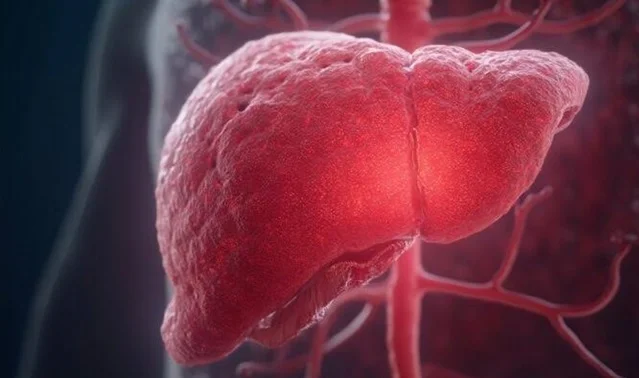
What is Hepatitis?
- Hepatitis is an inflammation of the liver, caused by hepatitis viruses or even other infections, toxic substances such as alcohol and drugs, and autoimmune diseases. There are five main hepatitis viruses, of which type B and type C are the most common and lead to chronic disease including cirrhosis and liver cancer.
- Hepatitis has been recognised as a public health problem in India. In 2018, the Government launched the National Viral Hepatitis Program to combat this disease by providing screening and treatment services. This is in line with United Nation’s Sustainable Development Goal of combating various viral diseases.
Causes of Hepatitis
- Infection by hepatitis viruses
- Excessive alcohol consumption
- Toxic drugs and chemicals
- Autoimmune disorders
Types of Hepatitis
There are five major hepatitis viruses:
|
Virus
|
Nature
|
Key Features
|
|
Hepatitis A (HAV)
|
Acute
|
Spread through contaminated food and water
|
|
Hepatitis B (HBV)
|
Acute & Chronic
|
Spread through blood, sexual contact, and mother-to-child transmission
|
|
Hepatitis C (HCV)
|
Mostly Chronic
|
Blood-borne infection; major cause of liver cirrhosis
|
|
Hepatitis D (HDV)
|
Depends on HBV
|
Occurs only in people infected with Hepatitis B
|
|
Hepatitis E (HEV)
|
Acute
|
Water-borne outbreaks common
|
Why is Hepatitis Dangerous?
Chronic Hepatitis B and C can lead to:
- Liver Cirrhosis: Long-term inflammation causes permanent scarring of the liver, reducing its ability to function properly.
- Liver Failure: The liver becomes unable to perform vital functions such as removing toxins, producing proteins, and supporting metabolism.
- Liver Cancer (Hepatocellular Carcinoma): Chronic Hepatitis B or C infection can lead to the development of liver cancer over time.
- Premature Death: Untreated chronic hepatitis and its complications can significantly increase the risk of early death.
National Viral Hepatitis Control Programme (NVHCP)
- Launch Year: 2018
- Ministry: Ministry of Health and Family Welfare
- Viruses Covered Under NVHCP: Hepatitis A, Hepatitis B, Hepatitis C, Hepatitis D, Hepatitis E
- Objective: To eliminate viral hepatitis as a public health threat by 2030, in line with Sustainable Development Goal (SDG) 3.3 and WHO targets.
- Major Objectives of NVHCP
- Reduce hepatitis-related illness and deaths.
- Increase awareness among the public.
- Ensure early diagnosis.
- Provide free treatment.
- Prevent new infections.
- Strengthen surveillance and monitoring.
Key Features of NVHCP
1. Preventive Measures
- Public awareness campaigns
- Health education
- Safe injection practices
- Infection control in healthcare settings
2. Free Diagnosis
- The government provides:
- Free Hepatitis B testing
- Free Hepatitis C testing
- Laboratory confirmation
3. Free Treatment
- Eligible patients receive:
- Free antiviral medicines
- Follow-up care
- Monitoring of treatment outcomes
4. Digital Monitoring
- The programme uses the
- NVHCP-MIS Portal
- For:
- Paperless patient records
- Real-time reporting
- Treatment monitoring
- Programme evaluation
Integration with Other National Health Programmes
1. RMNCAH+N Programme
- (Reproductive, Maternal, Newborn, Child, Adolescent Health & Nutrition)
- Universal screening of pregnant women for Hepatitis B
- Prevention of mother-to-child transmission
2. Universal Immunisation Programme (UIP)
- Ensures:
- 100% Hepatitis B birth dose
- Hepatitis B Immunoglobulin (HBIG) for newborns of infected mothers
- Vaccine administered within 24 hours of birth
3. National AIDS Control Programme (NACP)
- Screening of high-risk groups
- Hepatitis B vaccination for healthcare workers
- Vaccination of Hepatitis B-negative high-risk individuals
4. National Tuberculosis Elimination Programme (NTEP)
- Uses existing molecular diagnostic machines for hepatitis testing
- Better utilisation of health infrastructure
5. Blood Transfusion Services
- Screening of blood donors
- Referral of Hepatitis B/C positive donors for treatment
What is Seroprevalence?
- Seroprevalence is the percentage of people in a population who test positive for a disease based on blood samples.
- Hepatitis Situation in India
- According to the 2021 HIV Sentinel Surveillance:
|
Disease
|
Seroprevalence
|
|
Hepatitis B
|
0.85%
|
|
Hepatitis C
|
0.29%
|
- This means approximately:
- 1 in every 118 people tested positive for Hepatitis B.
- 1 in every 345 people tested positive for Hepatitis C.
India's 2030 Hepatitis Elimination Strategy
- The strategy focuses on:
- Universal screening
- Early diagnosis
- Free treatment
- Universal vaccination
- Safe blood transfusion
- Maternal screening
- Digital health monitoring
- Multi-sectoral coordination
- Public awareness campaigns
Way Forward
- Expand community-based screening.
- Improve vaccination coverage.
- Strengthen surveillance systems.
- Increase awareness through mass campaigns.
- Enhance digital monitoring and follow-up.
- Improve access to diagnostics in remote areas.
Conclusion
The National Viral Hepatitis Control Programme (NVHCP) is India's flagship initiative to eliminate viral hepatitis by 2030. By integrating prevention, vaccination, screening, free treatment, surveillance, and digital monitoring with existing health programmes, India aims to significantly reduce hepatitis-related illness and deaths while progressing towards SDG 3 and universal health coverage.
Prelims MCQ
Q. Consider the following statements regarding the National Viral Hepatitis Control Programme (NVHCP):
- It was launched in 2018.
- It covers Hepatitis A, B, C, D and E.
- Free diagnosis and treatment are provided for Hepatitis B and Hepatitis C.
- The programme is implemented under the Ministry of Agriculture.
Which of the statements given above are correct?
A. 1 and 2 only
B. 1, 2 and 3 only
C. 2, 3 and 4 only
D. 1, 3 and 4 only
Mains Practice Question
"Discuss the significance of the National Viral Hepatitis Control Programme (NVHCP) in achieving India's goal of eliminating viral hepatitis as a public health threat by 2030. Examine the challenges and suggest measures to strengthen its implementation."
|
FAQs
1. What is the National Viral Hepatitis Control Programme (NVHCP)?
It is a Government of India programme launched in 2018 to prevent, diagnose, and treat viral hepatitis and eliminate it as a public health threat by 2030.
2. Which hepatitis viruses are covered under NVHCP?
The programme covers Hepatitis A, B, C, D, and E.
3. Is hepatitis treatment free under NVHCP?
Yes. Eligible patients receive free diagnostic services and medicines, particularly for Hepatitis B and Hepatitis C.
4. What is India's target year for eliminating hepatitis?
India aims to eliminate viral hepatitis as a public health threat by 2030, in line with WHO and Sustainable Development Goal (SDG) targets.
5. Why are Hepatitis B and Hepatitis C considered more dangerous?
Because they can become chronic infections and lead to liver cirrhosis, liver failure, and liver cancer if left untreated.
|




 Contact Us
  New Batch : 9555124124/ 7428085757
  Tech Support : 9555124124/ 7428085757